TYPOLOGY: campus for Municipal Training in urban excellence
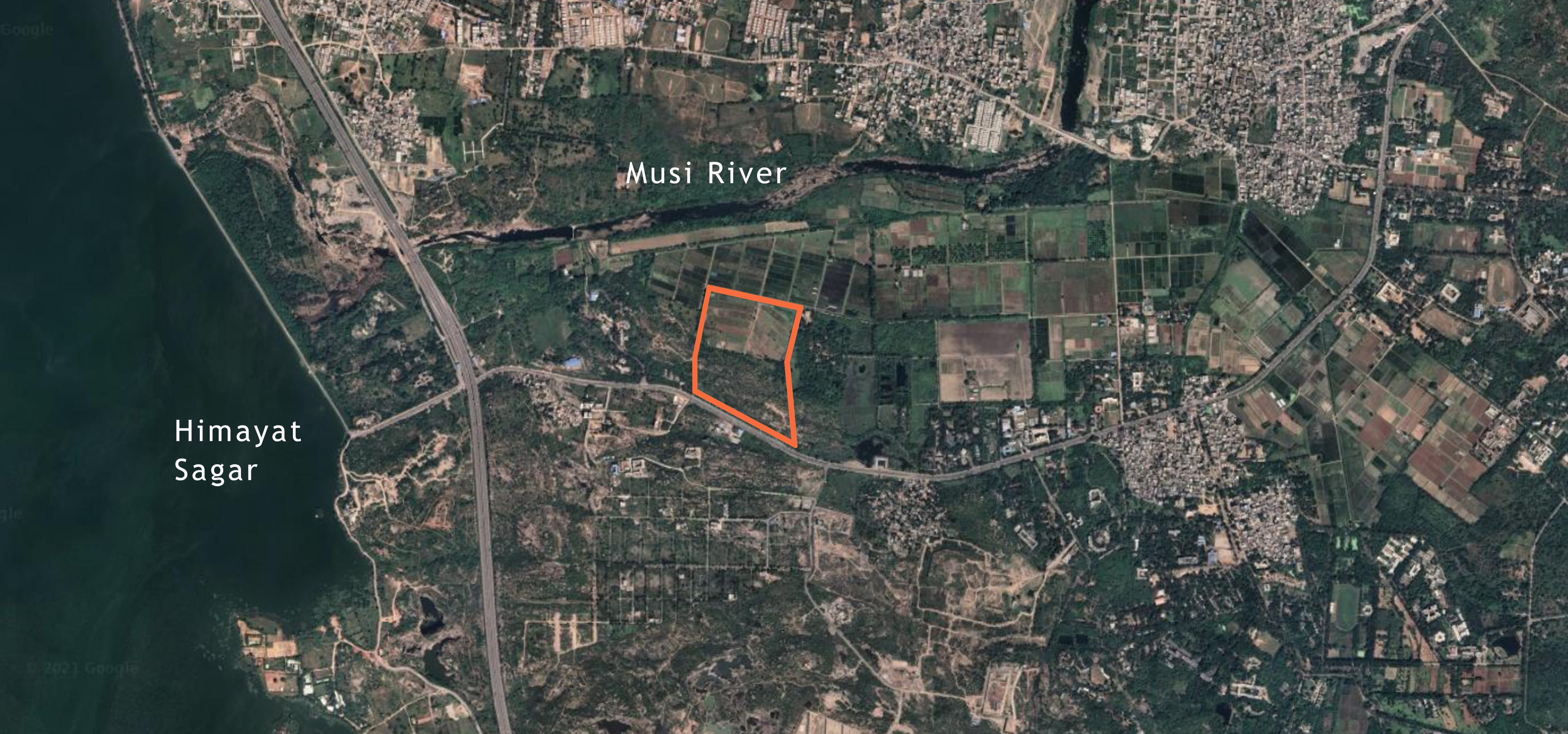
LOCATION: Hyderabad, Telangana, India
site Area: 45 acres
Client: Government of Telangana
Scope: Masterplanning, architectural Design, Interior Design, Branding
YEAR: 2021-22
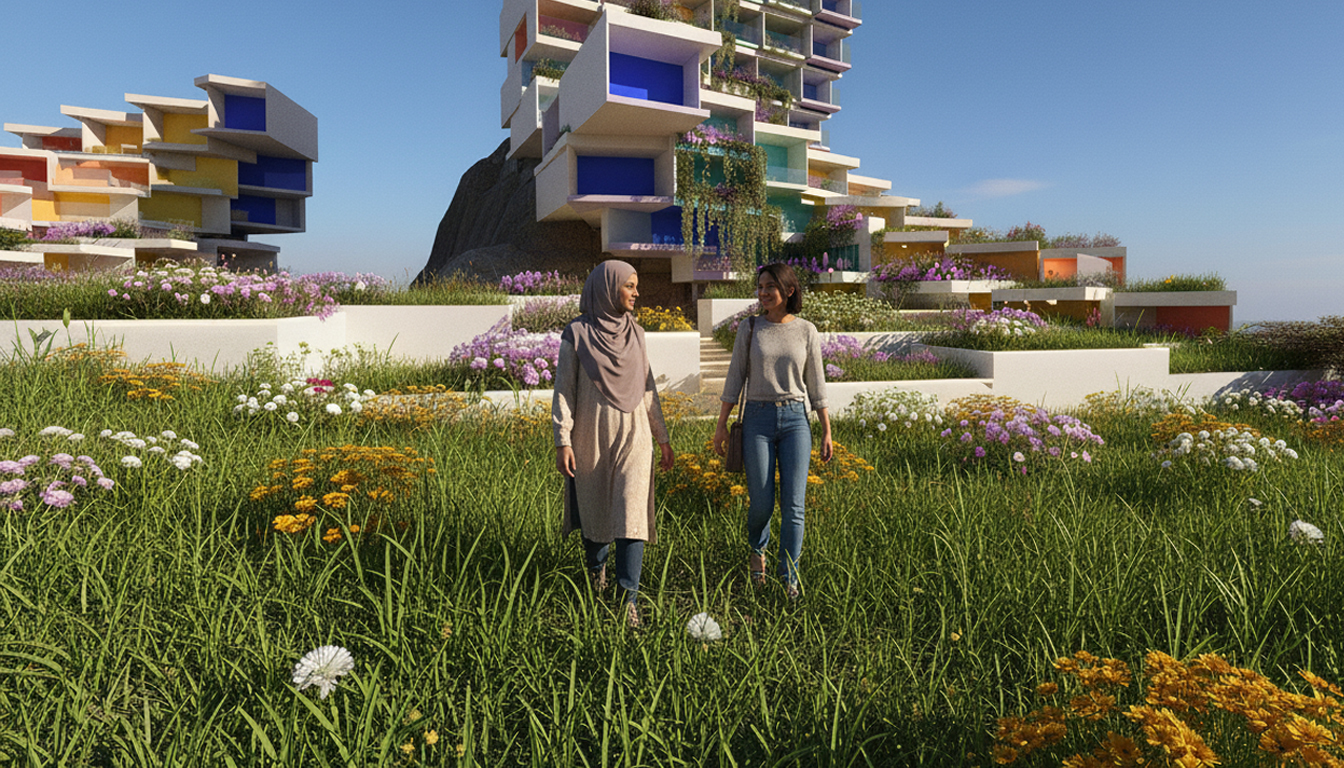
UrbanX: Center for Urban Excellence in Hyderabad
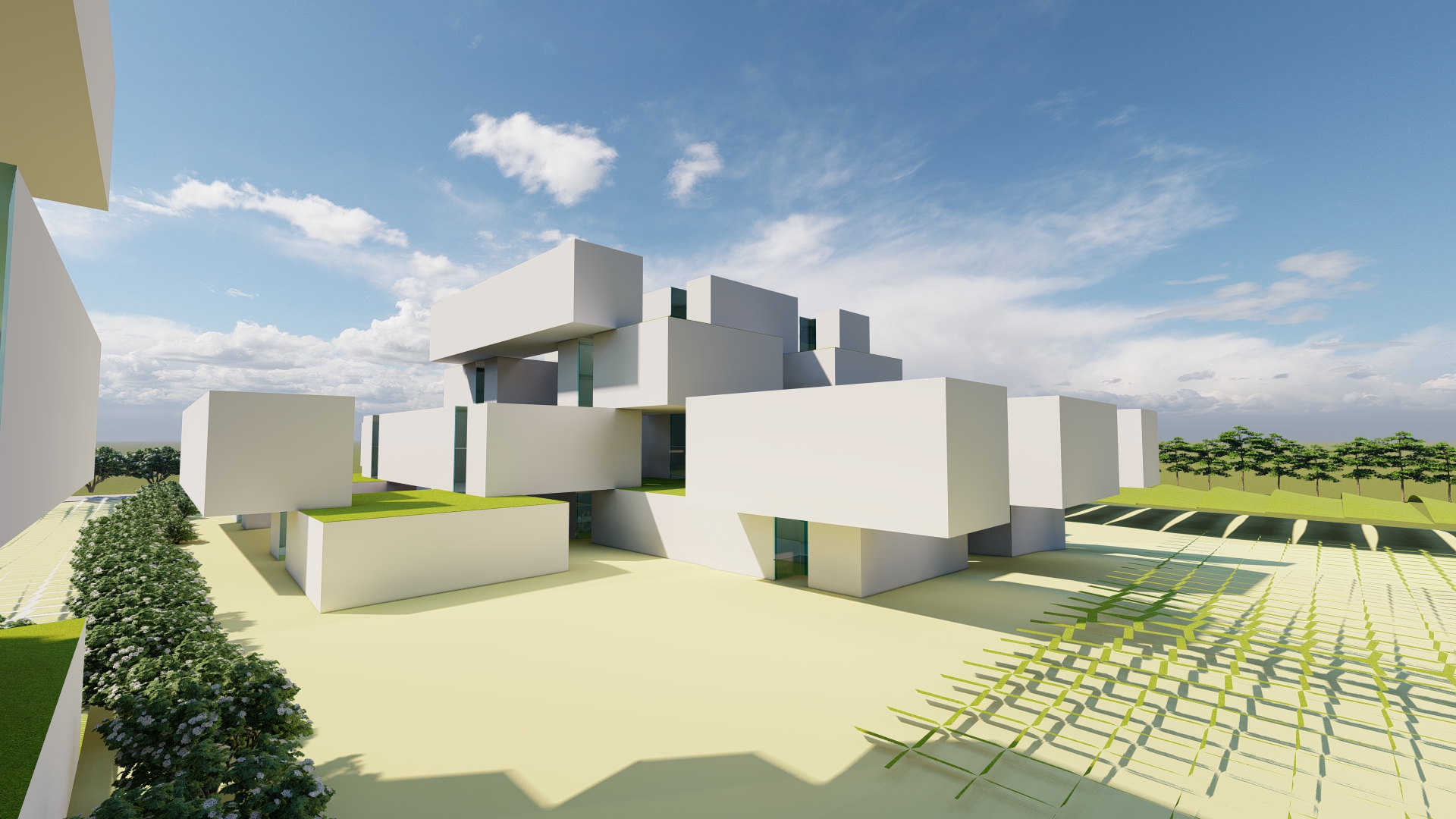
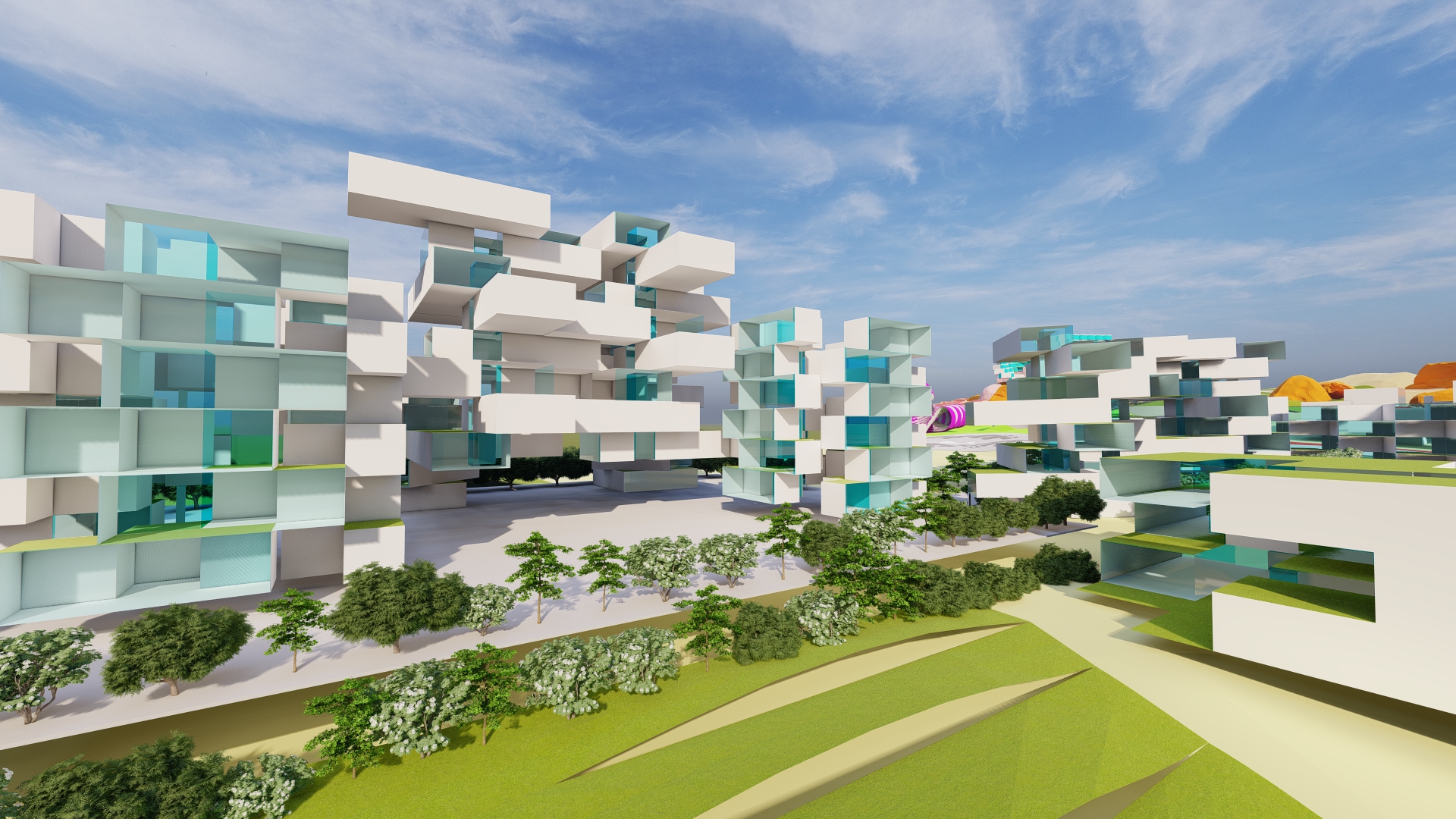
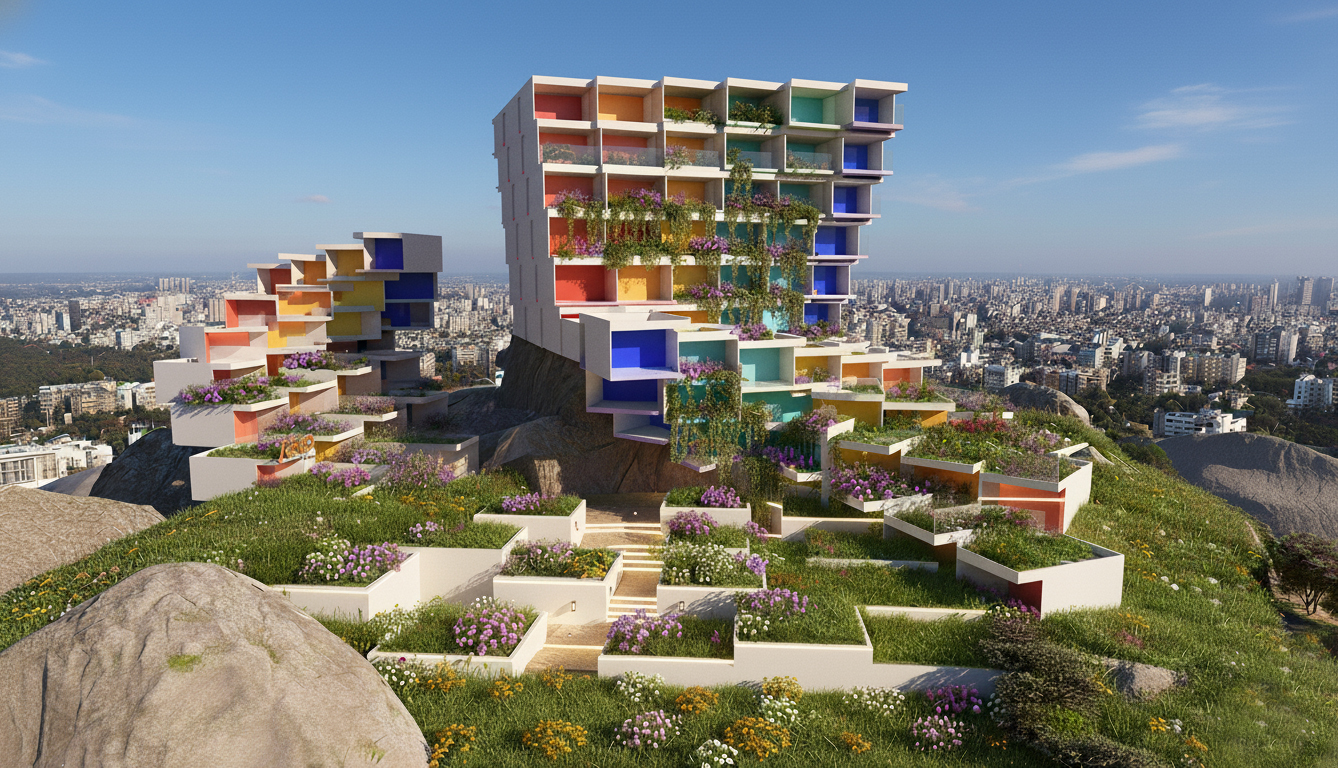
This project is a revolutionary move by the Government of Telangana to situate a world-class campus for the training of municipal officials of all levels, located in the heart of the city. The self-sufficient campus contains office complexes, convention centers, eateries, cultural and public spaces, recreation spaces, residences, and most importantly a Citizen’s Center where city residents can directly approach the government for assistance and to lodge grievances, making government more open and accessible, and bringing down barriers between public amenities and citizens.
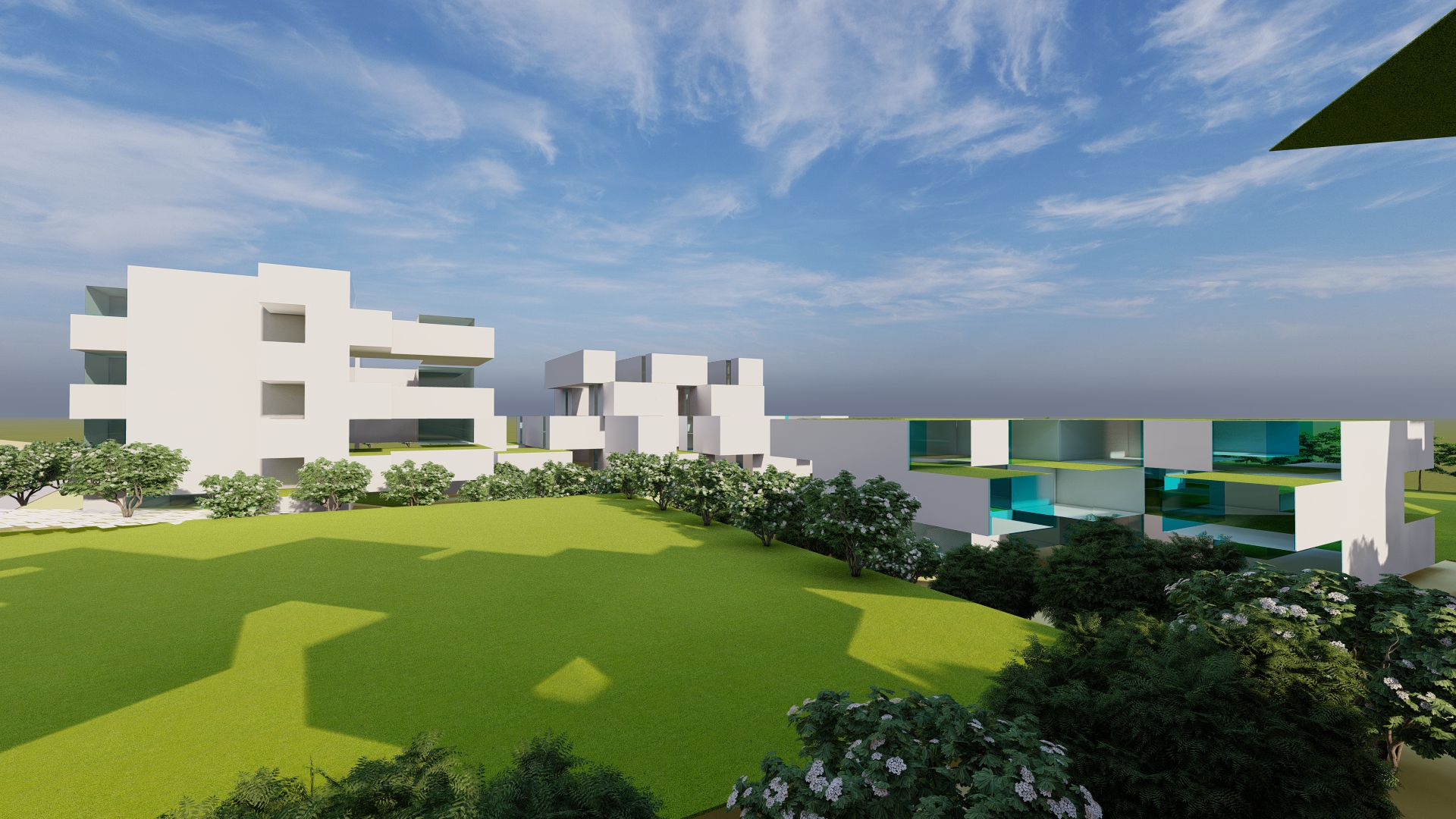
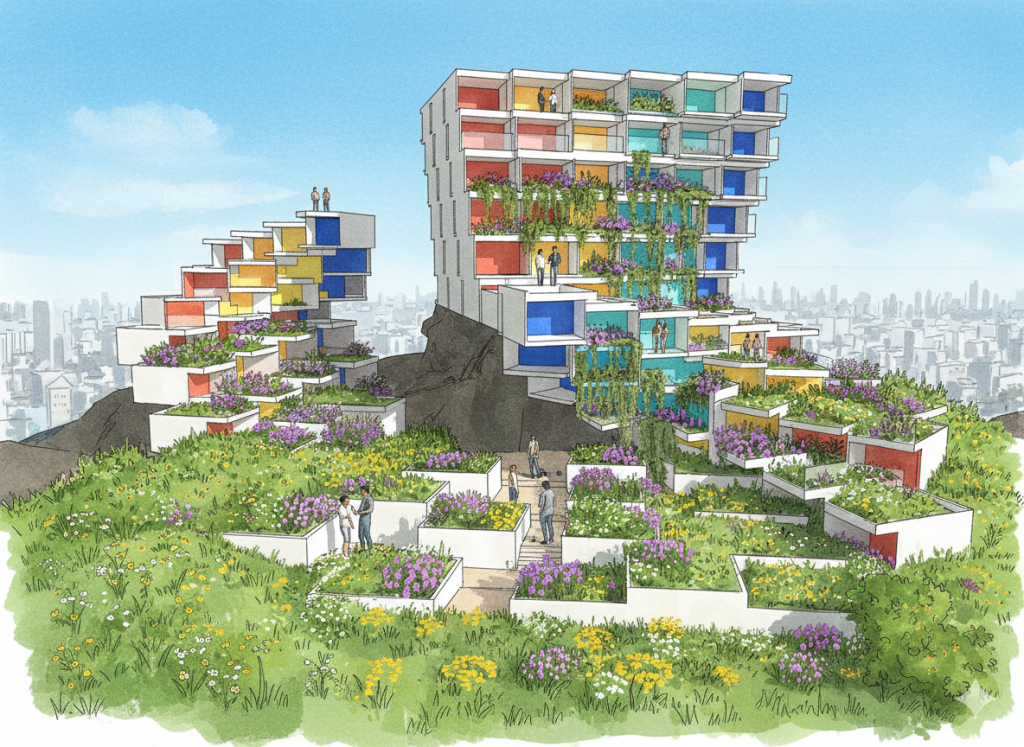
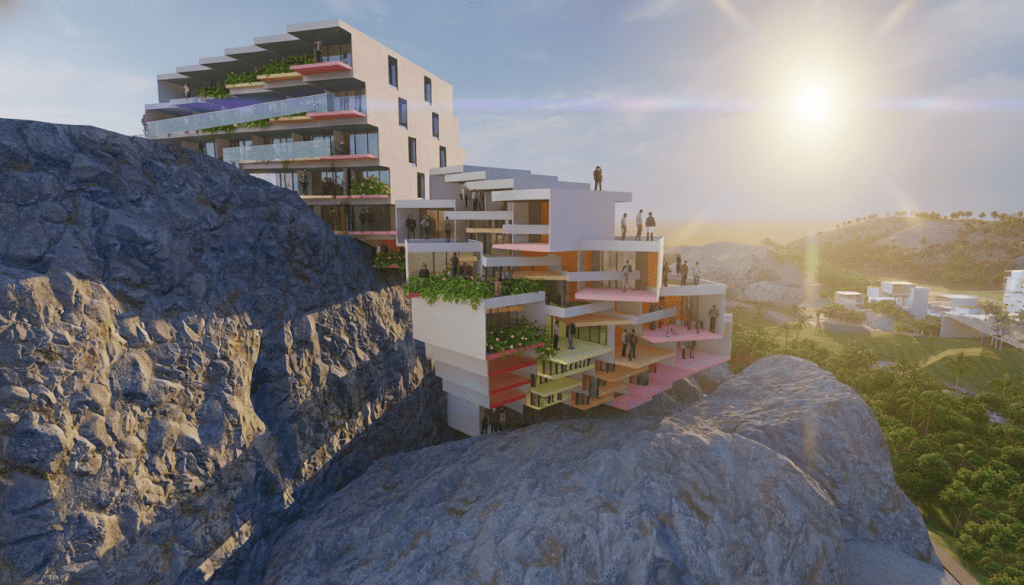
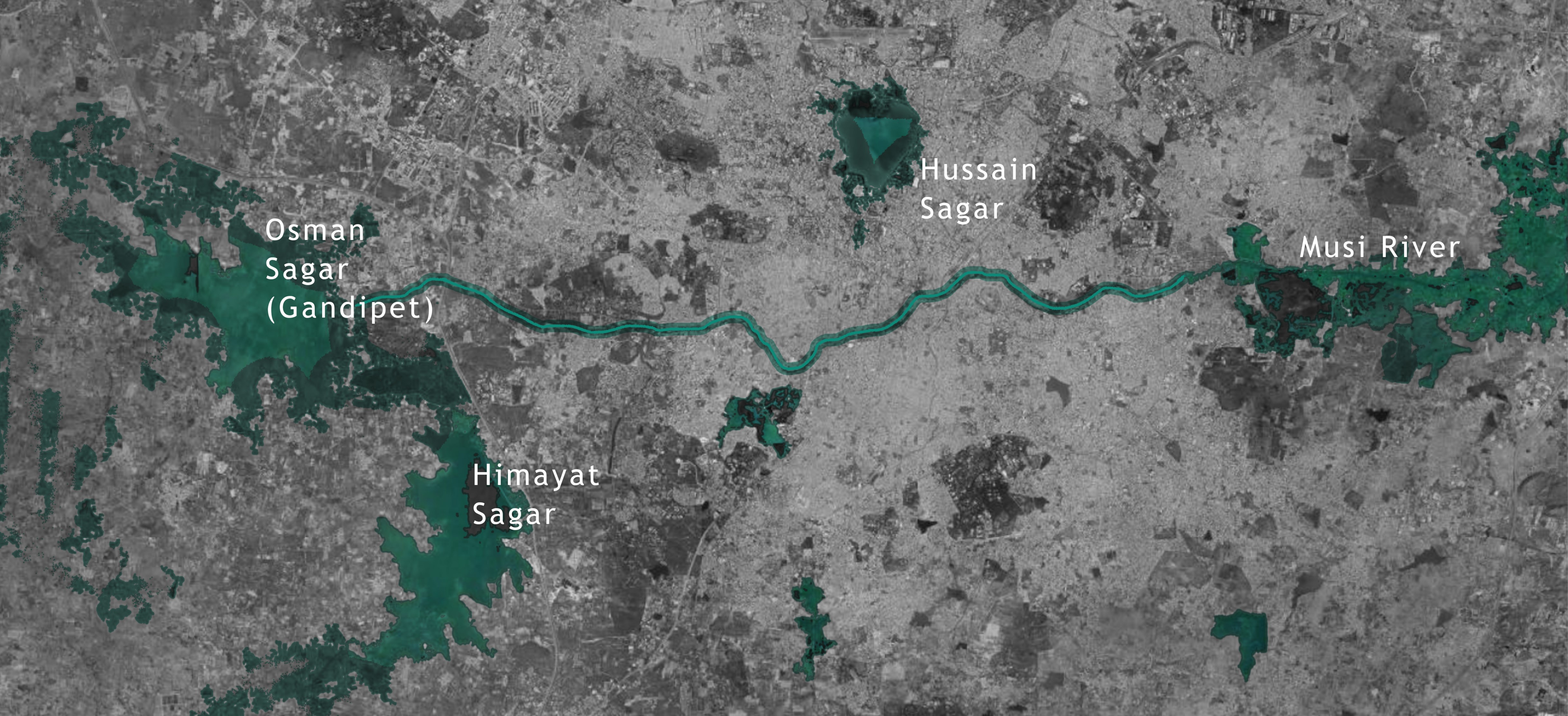
In Hyderabad, the terrain, made up of sheet rock dating back 2.5 billion years, poses a major challenge, and unchecked, unplanned development has left the city’s densest centers prone to flooding due in part to alteration of natural slopes, along with encroachments in catchment areas. Instead of damaging or altering the terrain, it is important to build with it and not against it. Proximity to the Himayat Sagar reservoir makes this all the more relevant as a project to demonstrate designing with nature, terrain and ecology. The design is responsive: with an aim to demonstrate how large-scale development is possible without disrupting the existing ecosystem and topography, as well as biodiversity within the city. The city needs natural, sensitive, green spaces where humans and wildlife coexist in harmony, and this was one of the aims of the project.
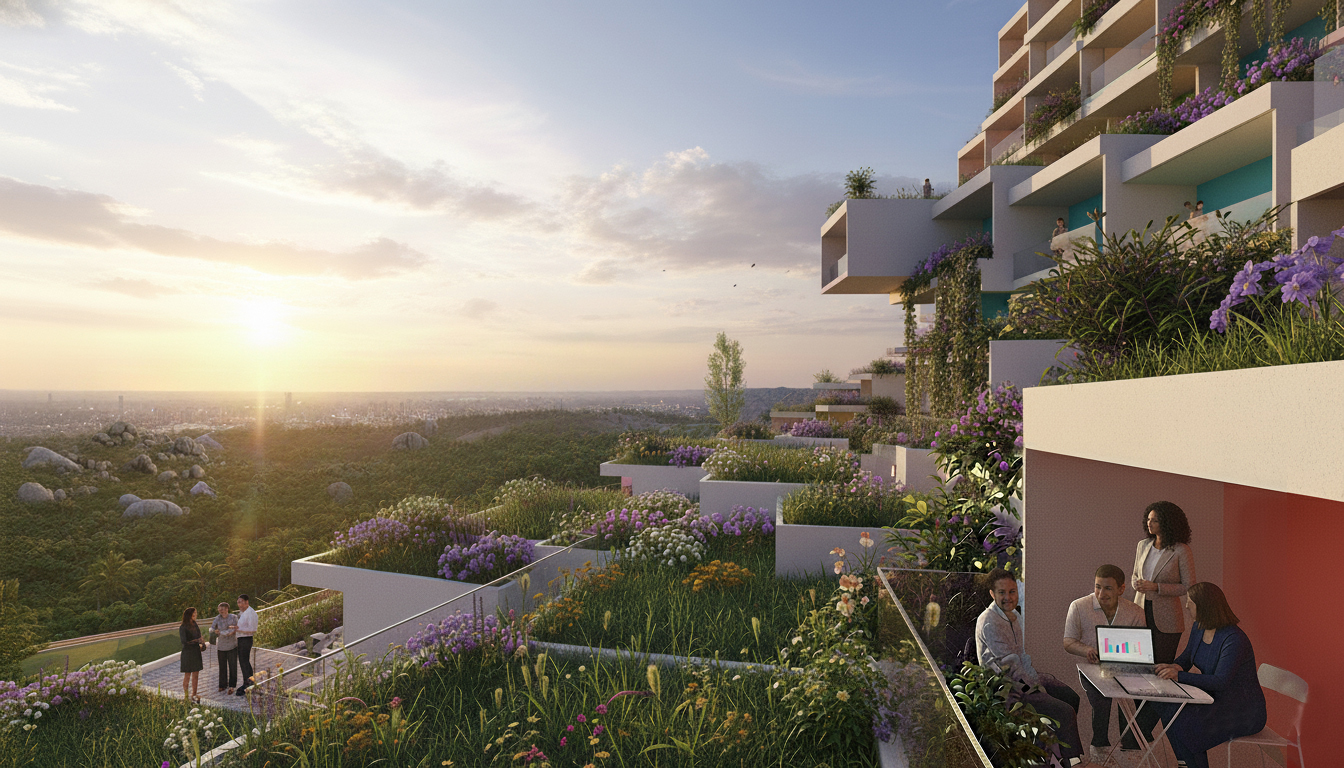
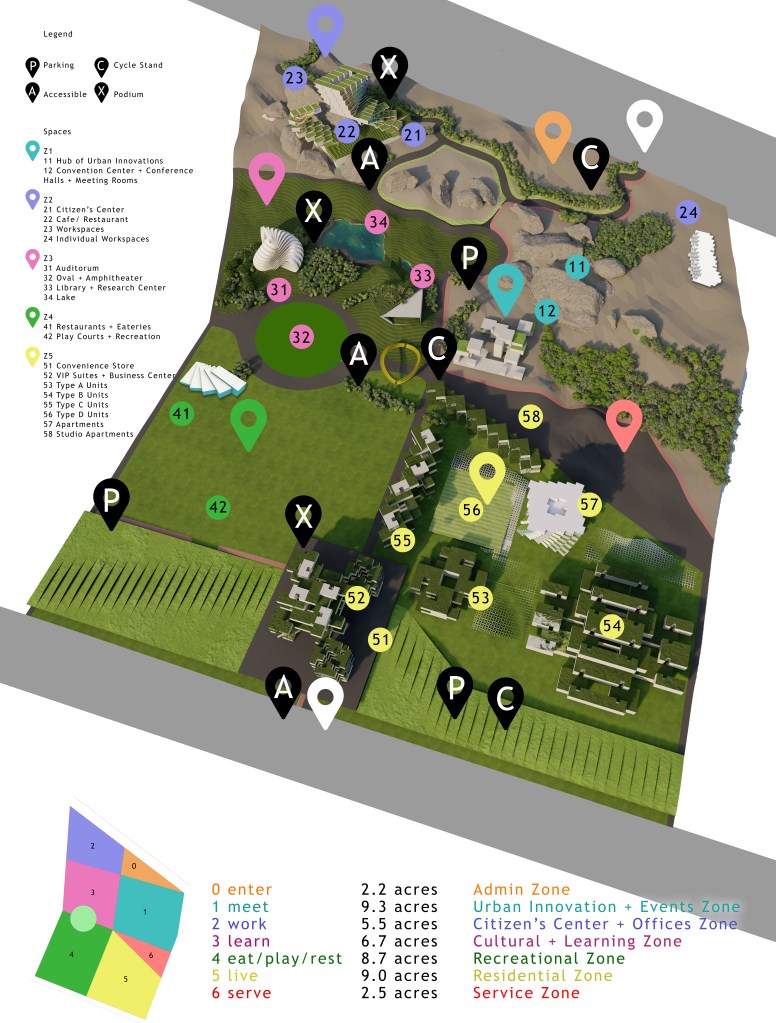
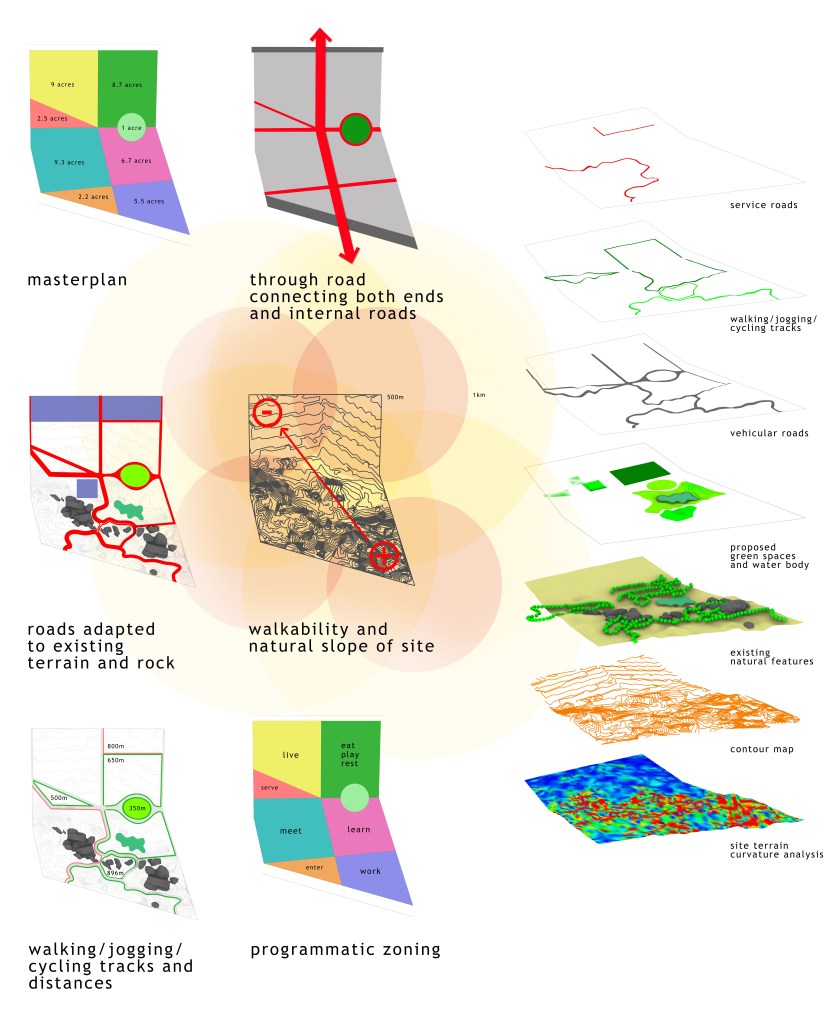
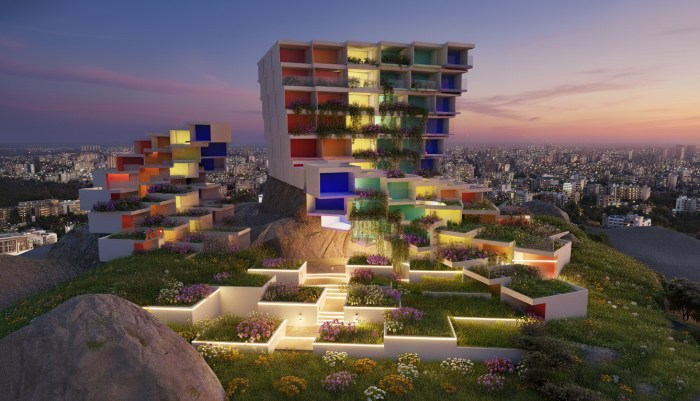
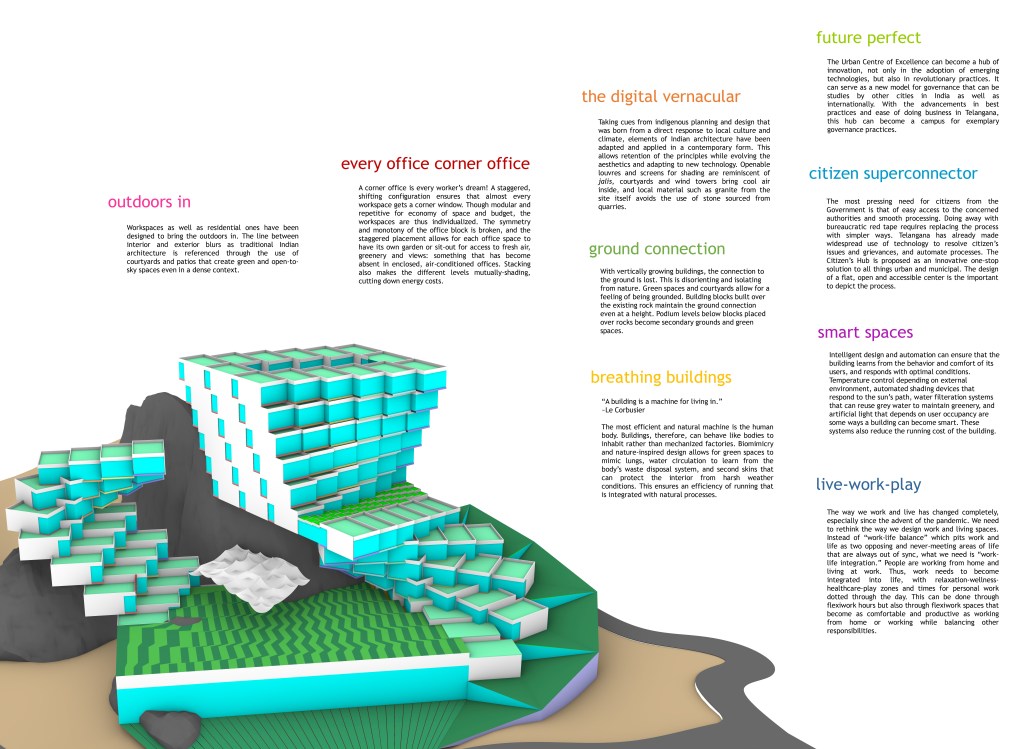
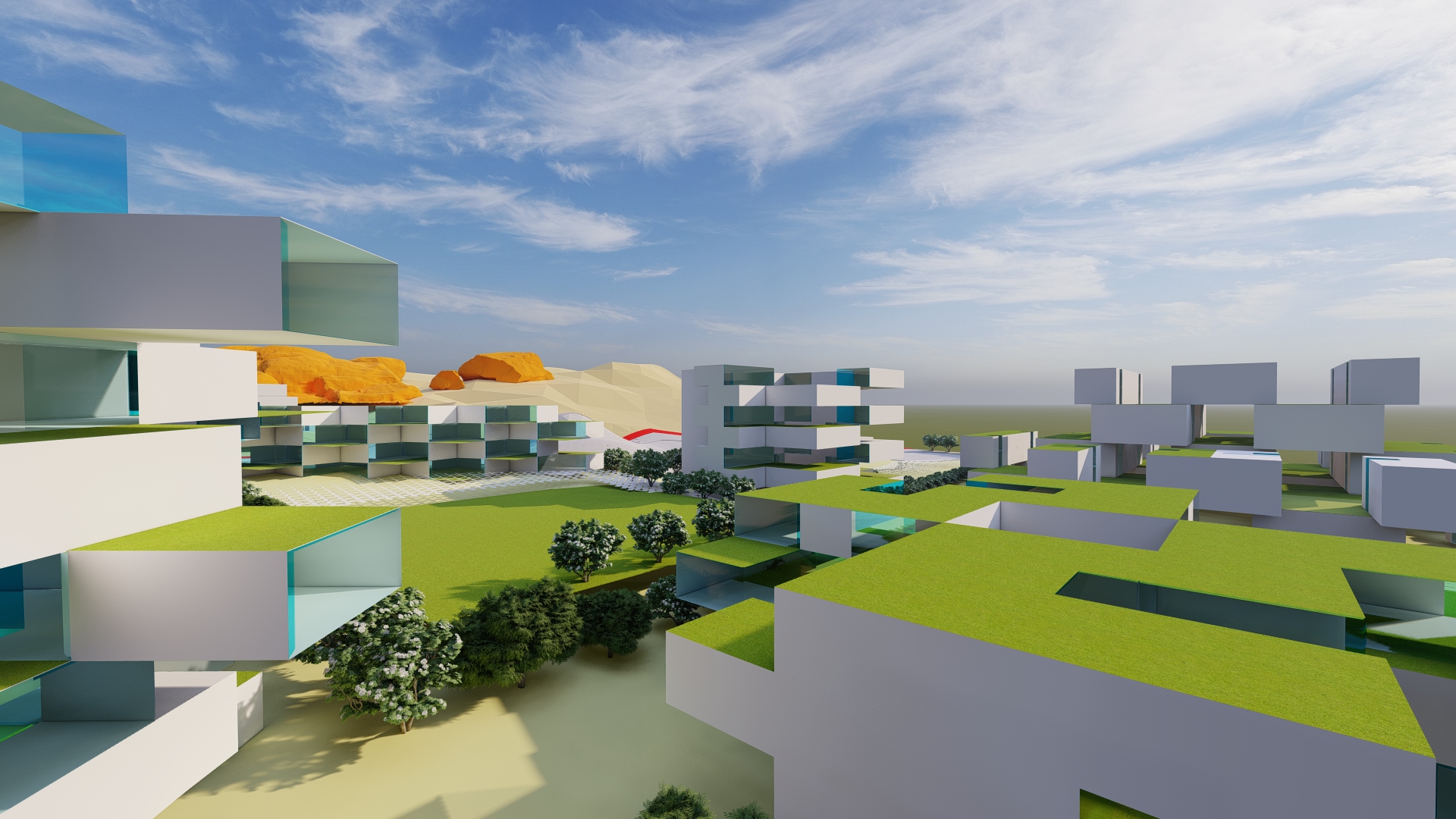
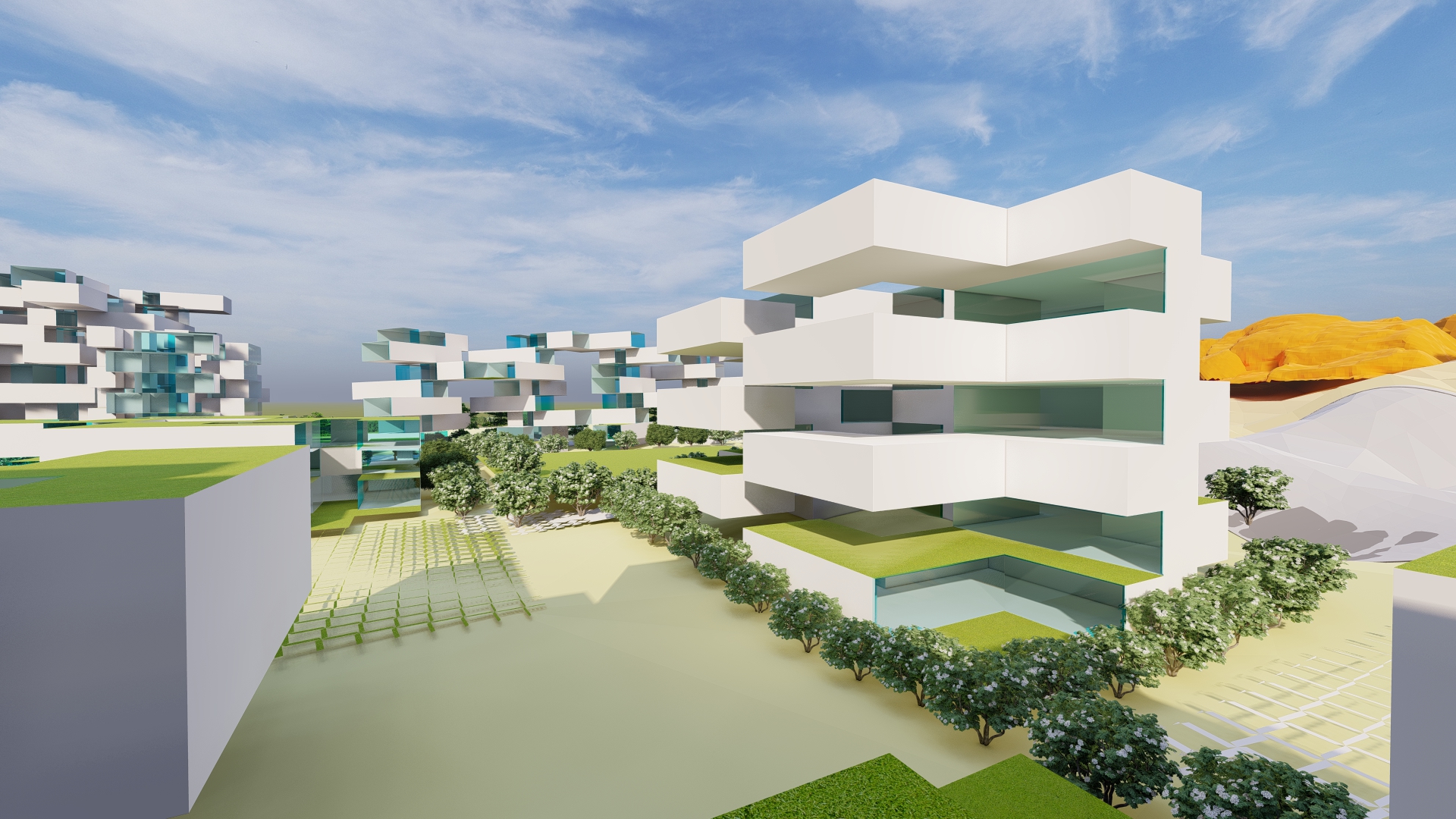
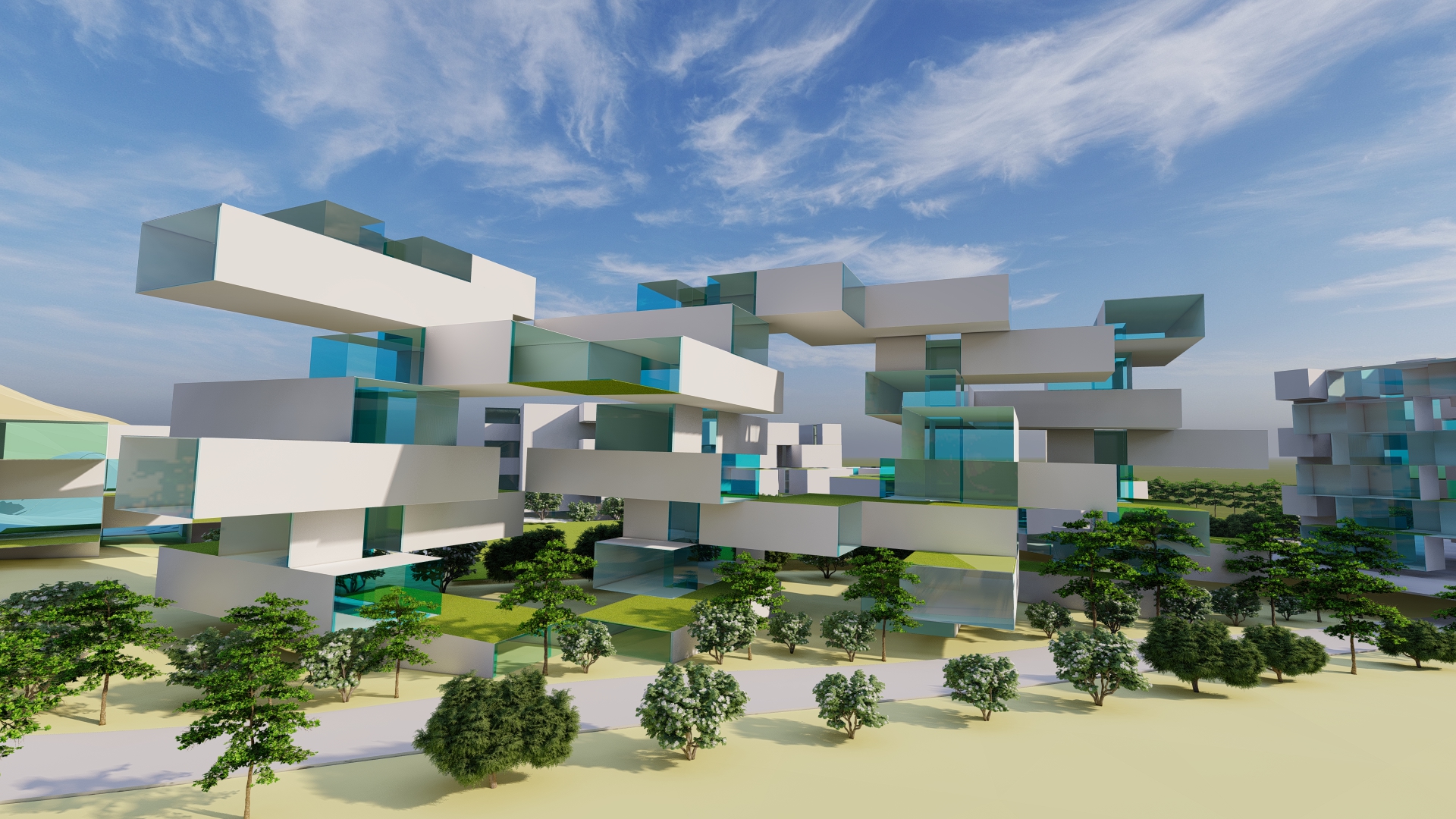
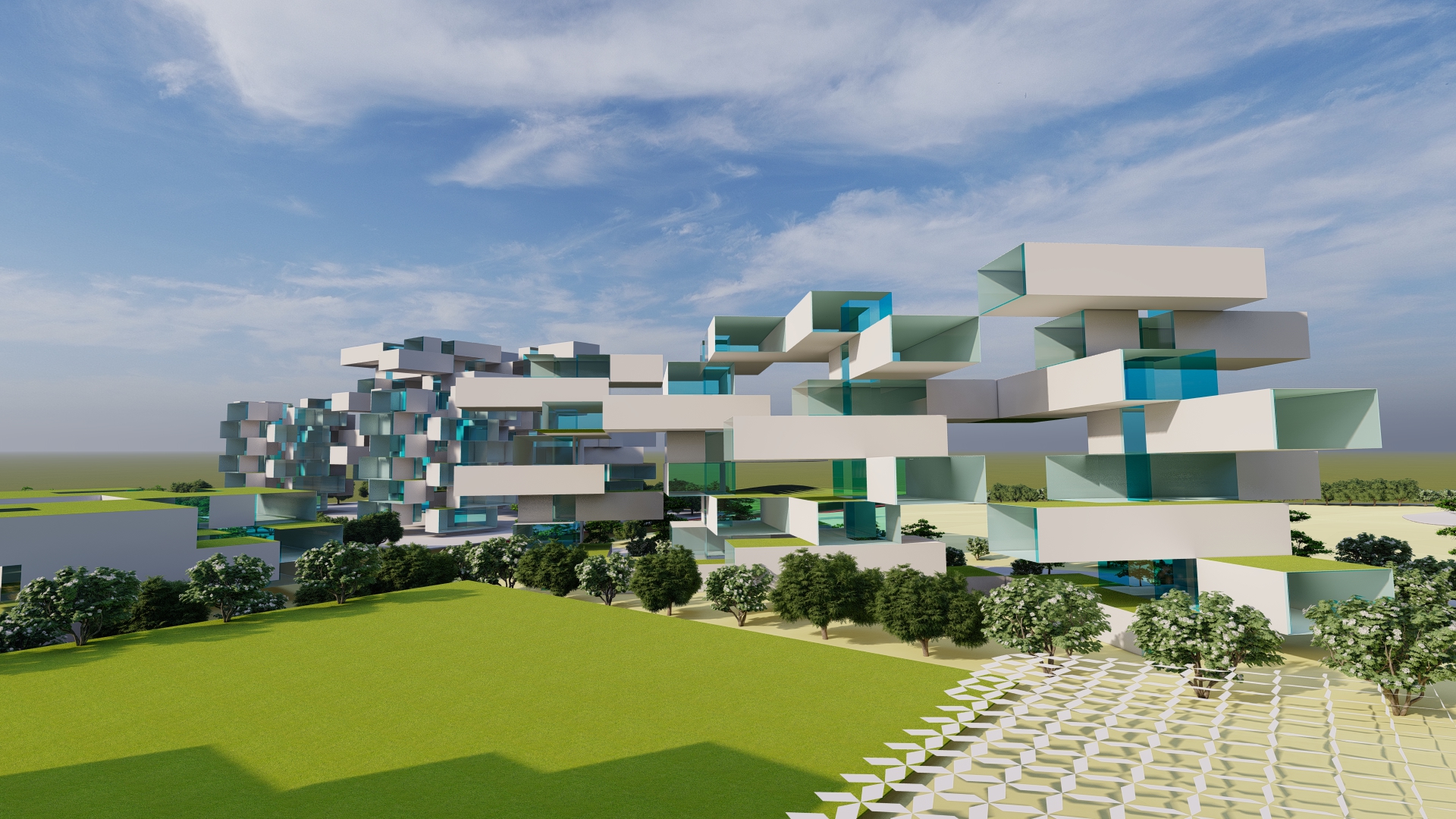
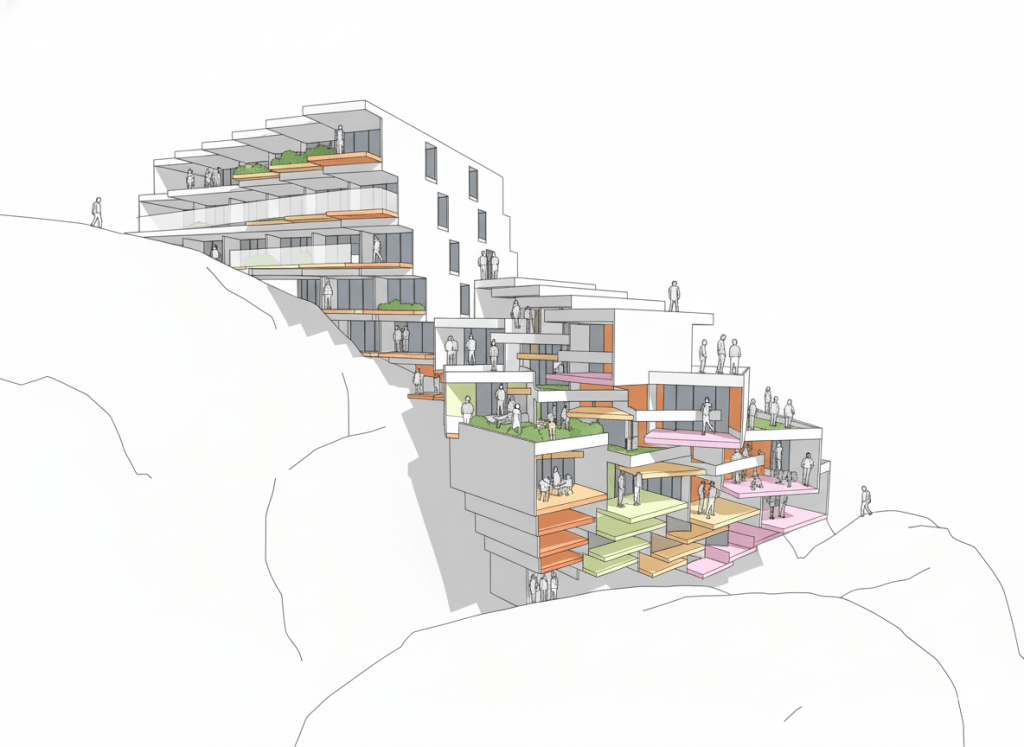
The design responds to the terrain in many ways: in structuring the built form along its levels, as well as in staggering the built form into levels to mimic the topography. In order to retain the natural contour, podiums are introduced at the lowest entry level of each complex. This creates a continuous, connected common space that becomes a common public zone, open to all, housing cafes and public amenities. The podium also ensures universal accessibility and ease of navigation. Upper levels are more exclusive and restricted to private zones for workers.
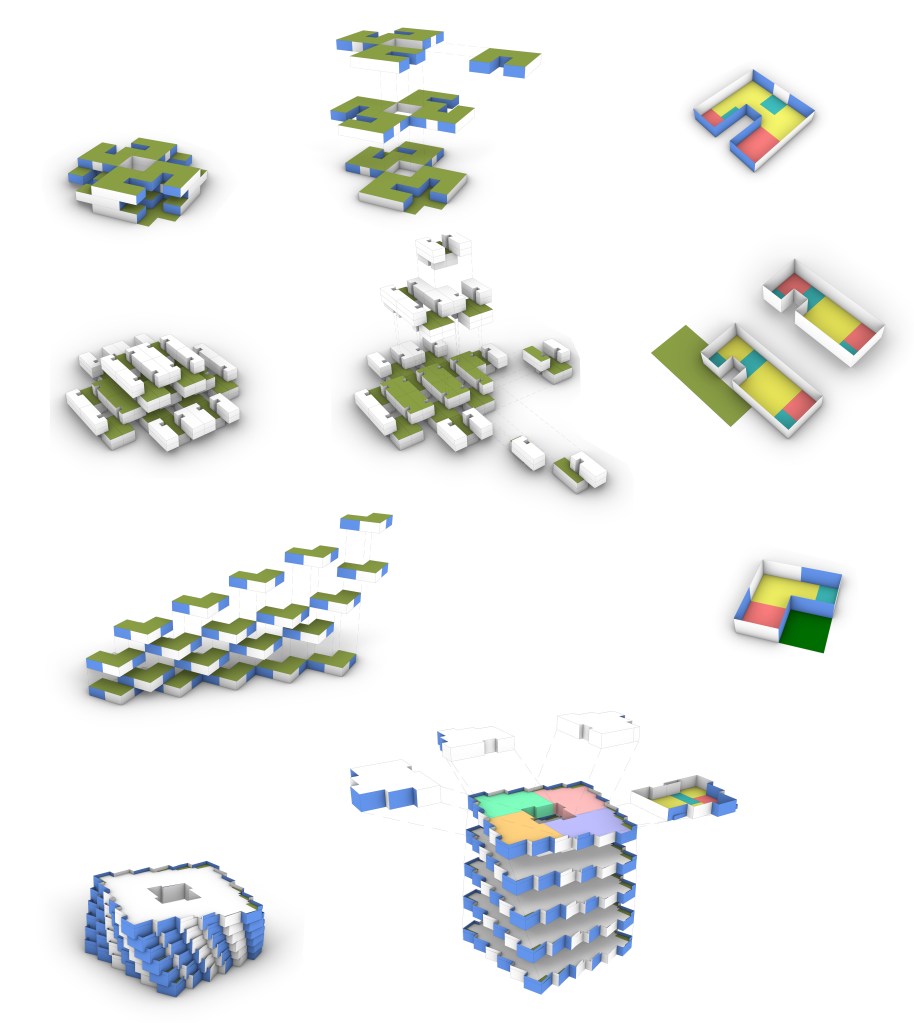
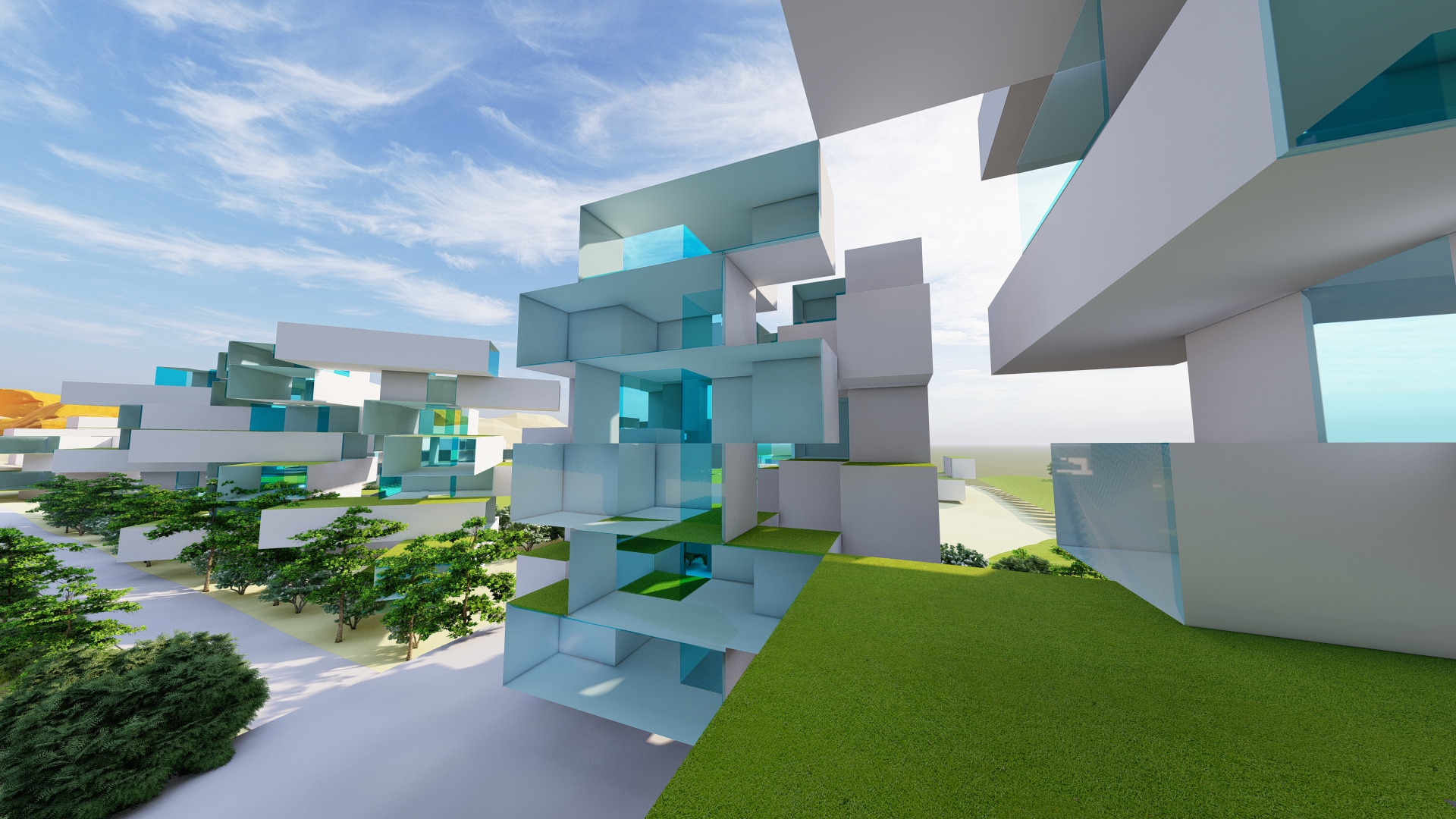
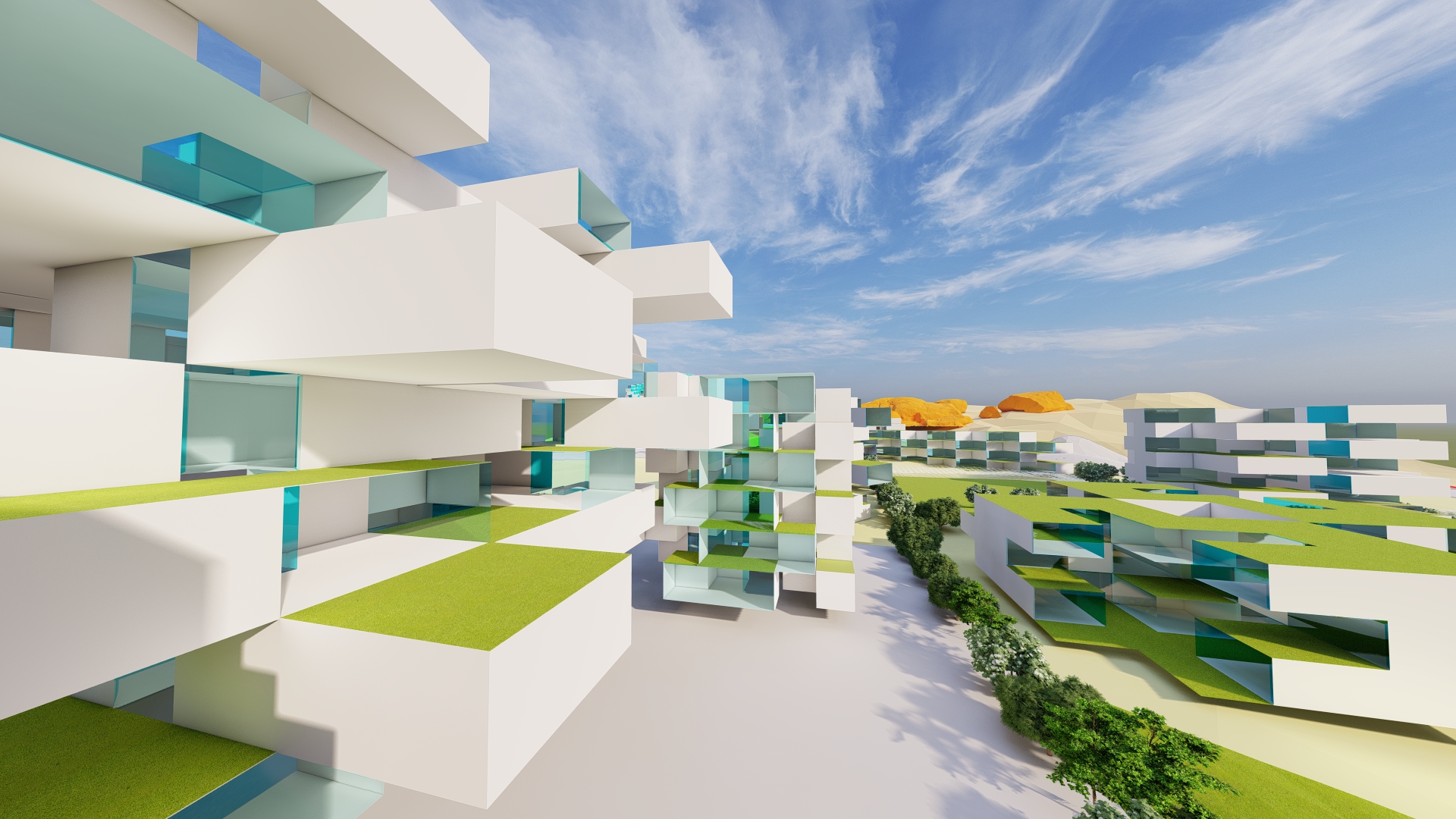
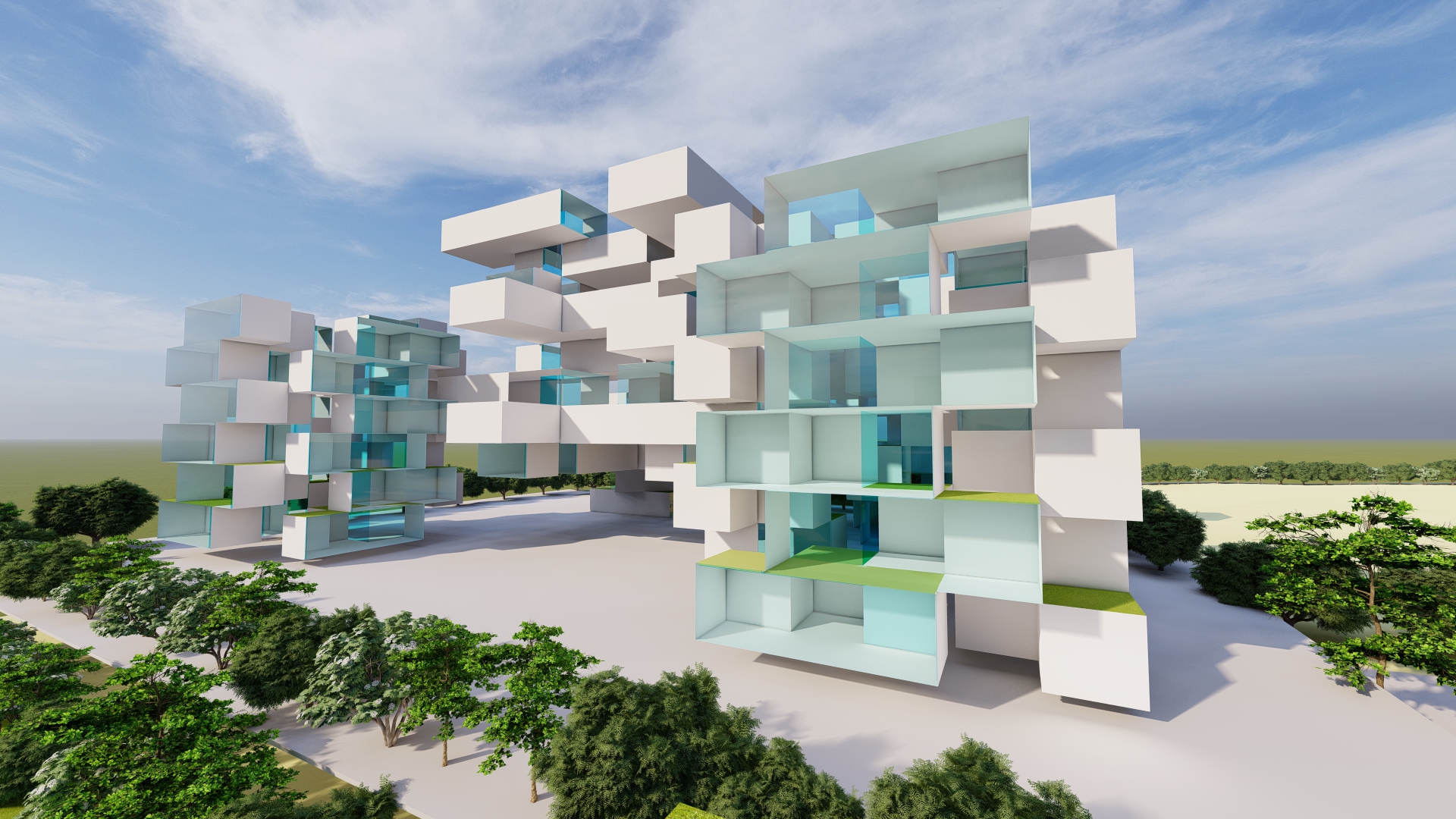
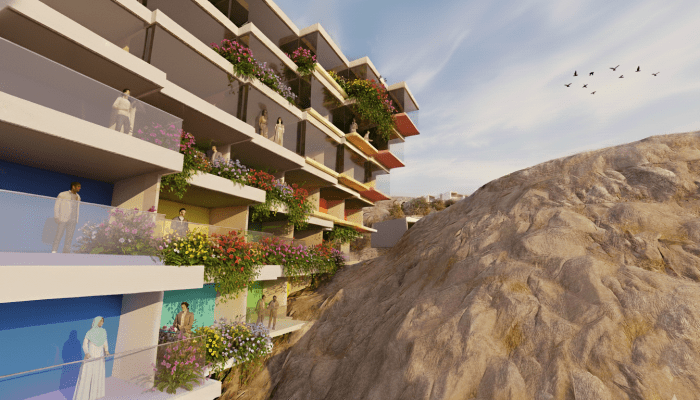
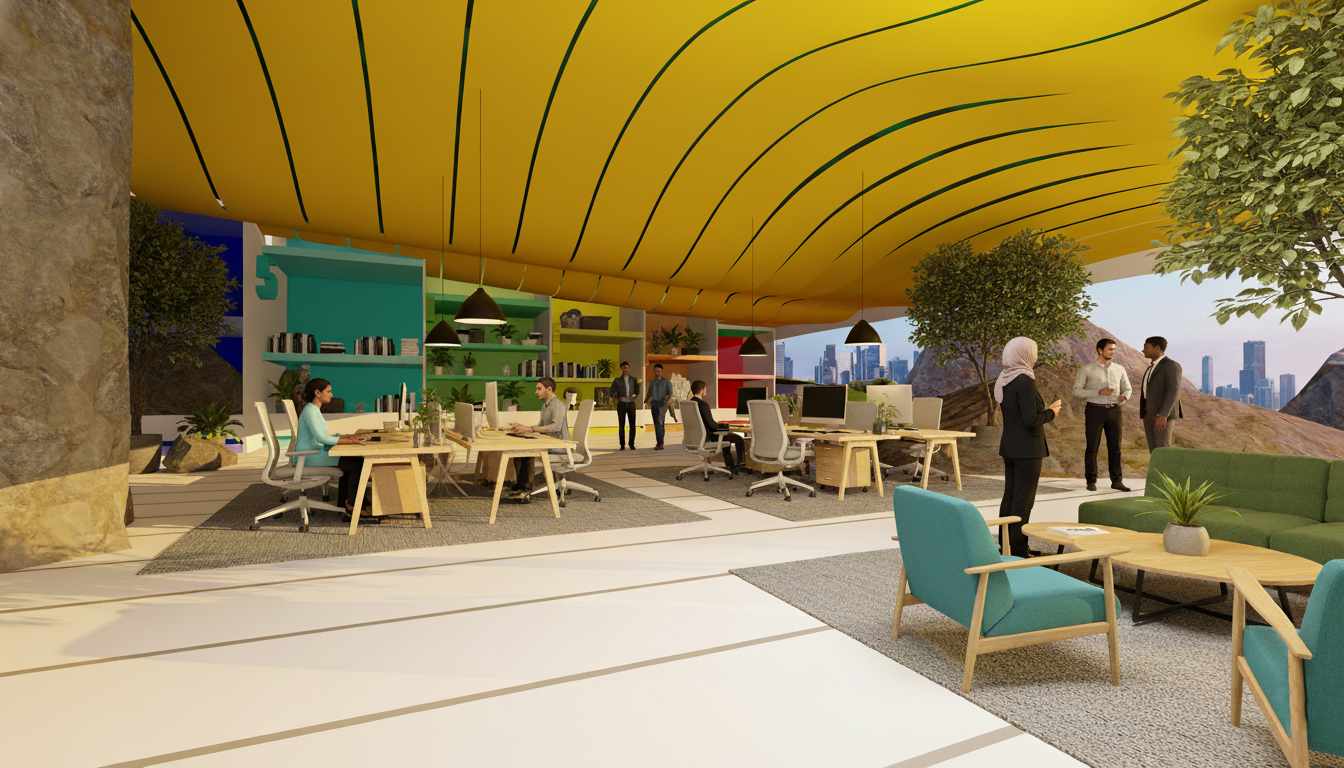
To ensure a flat and egalitarian structure, workspaces have been design in a staggered manner such that every office becomes a corner office, regardless of post or position of the occupier. This also provides views and cross-ventilation, bringing down the energy consumption of the buildings. Intermediary shared open spaces such as balconies and verandahs with greenery, borrowed from vernacular architecture, create cool areas and gathering spaces for employees.