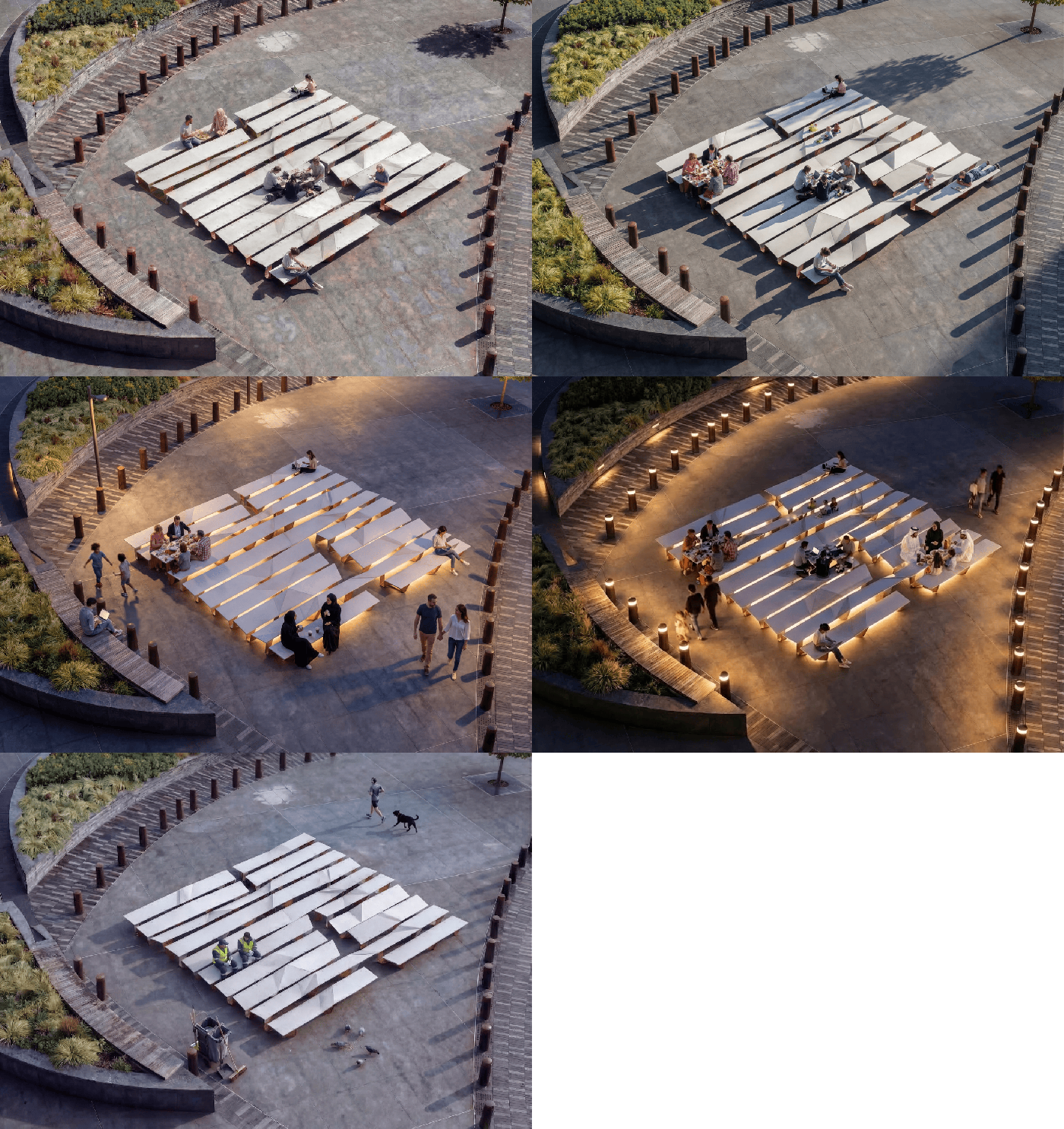
TYPOLOGY: Outdoor Furniture
YEAR: 2024
STATUS: SHORTLISTED CONCEPTUAL PROPOSAL/ COMPETITION ENTRY
CLIENT: DUBAI DESIGN WEEK
LOCATION: DUBAI DESIGN DISTRICT, DUBAI, UAE
The dining spread is known by different names around the world: taw- ilah (Arabic), tavola (Italian), tablitsa (Russian), teburu (Japanese), mesa (Spanish, Brazilian), meja (Sudanese, Malay), mesha (Malay- alam), mez (Swahili, Urdu), dasterkhwan (Persian, Urdu), sofreh (Per- sian).
The table is empty without food and drink. It is food and drink that brings people together, encourages conversations and fosters respect for new ideas. Eating becomes an excuse for socializing.
Never is eating more conducive to conversation and life more than in cafes, street food stalls, and living rooms. Different foods and food cul- tures call for different ways of consuming: some can be eaten stand- ing, others are served at tables, still others on a mat or a spread on the floor. Some require occasion and ceremony, while others are in re- sponse to the weather or time of day.
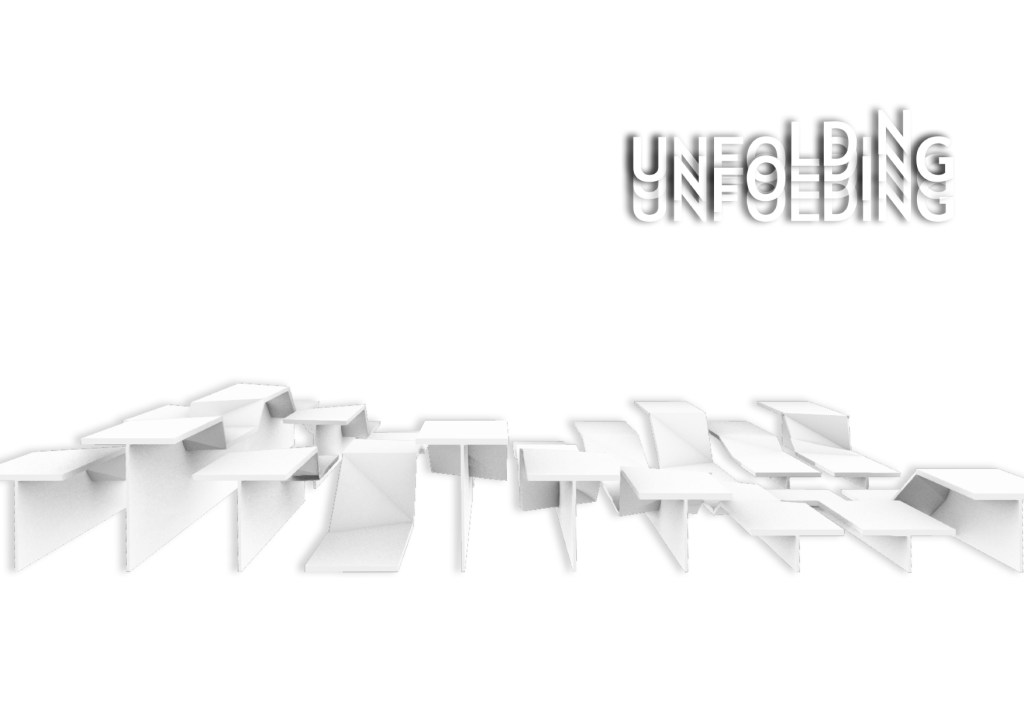
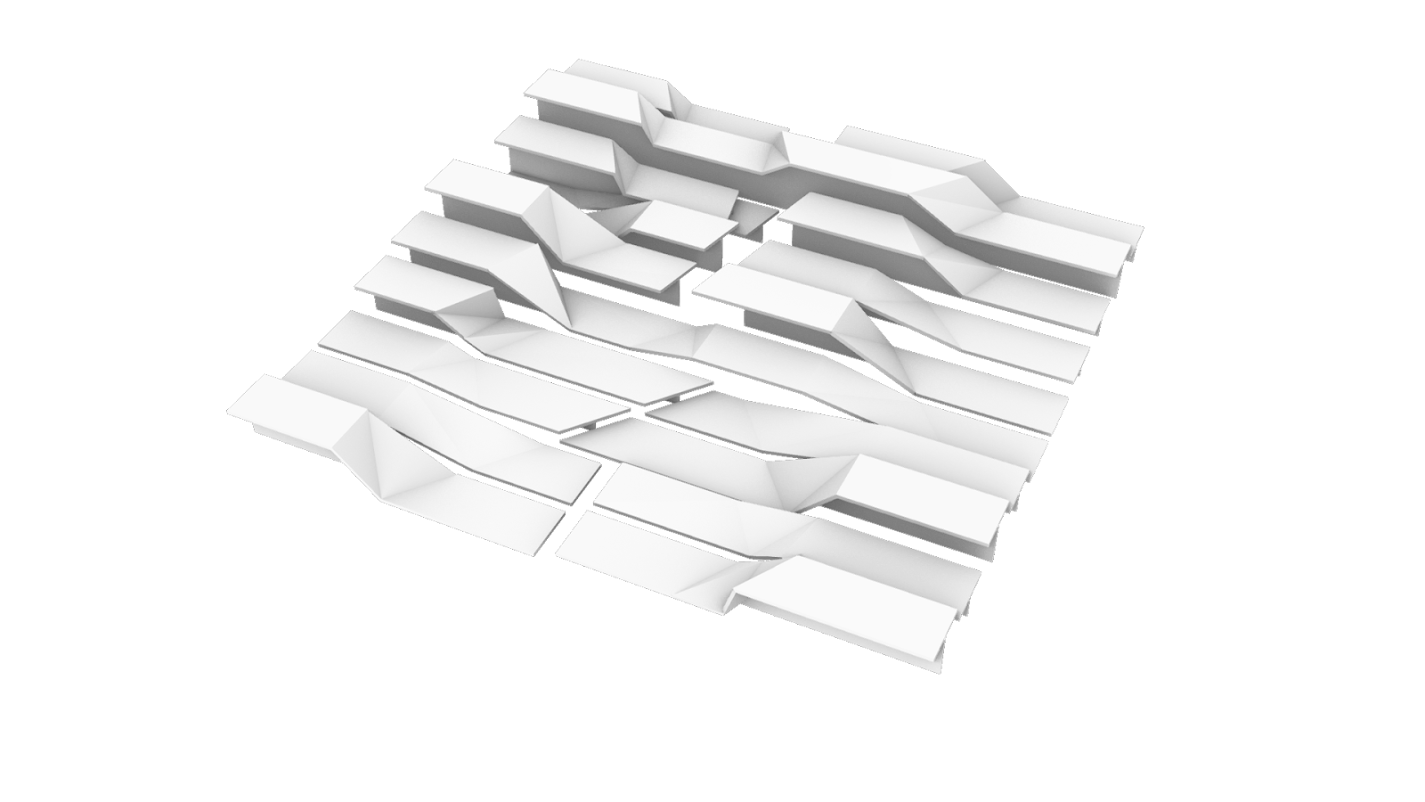
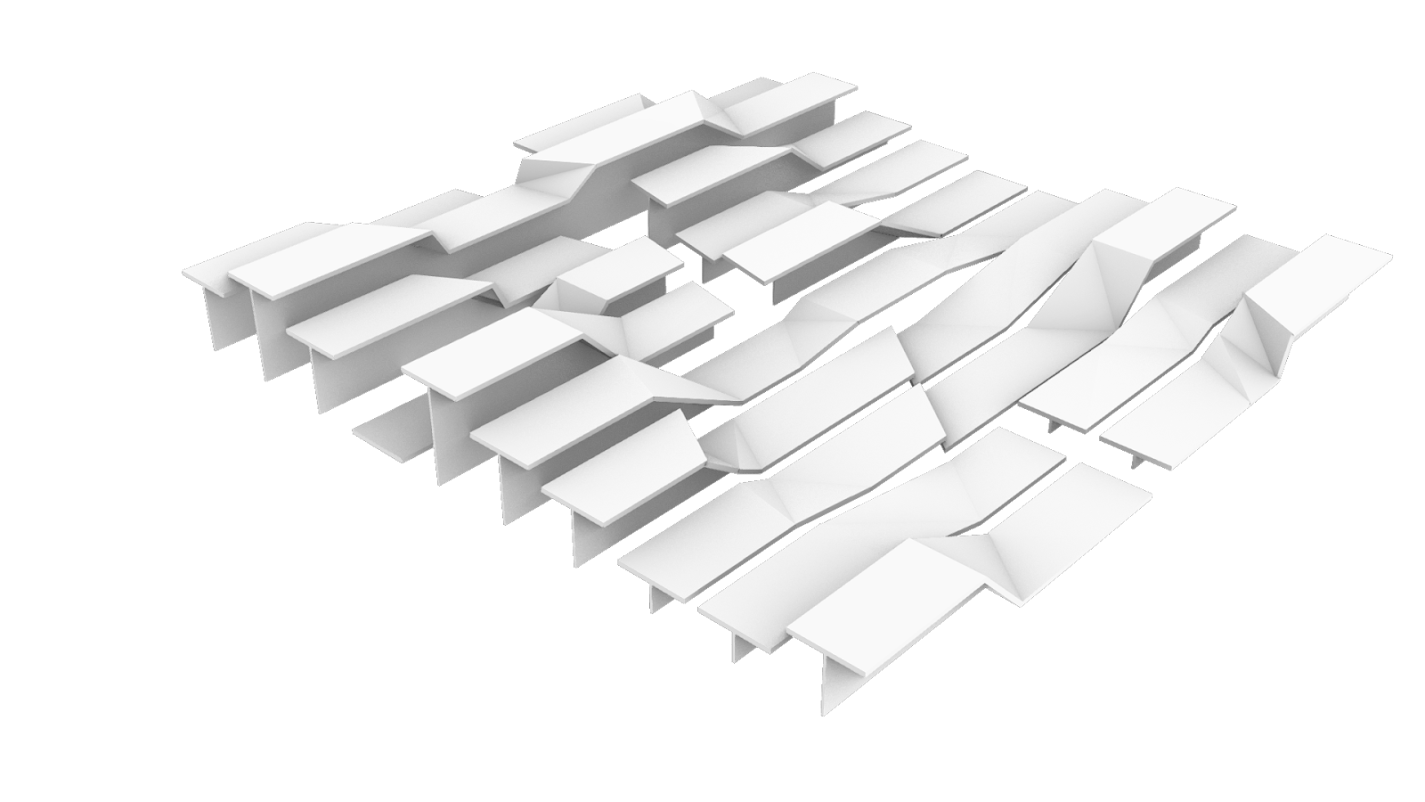
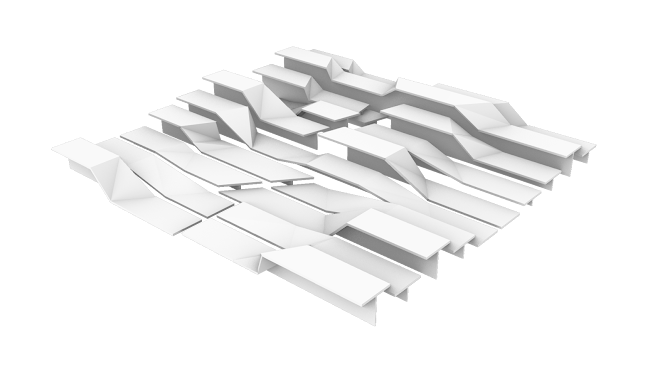
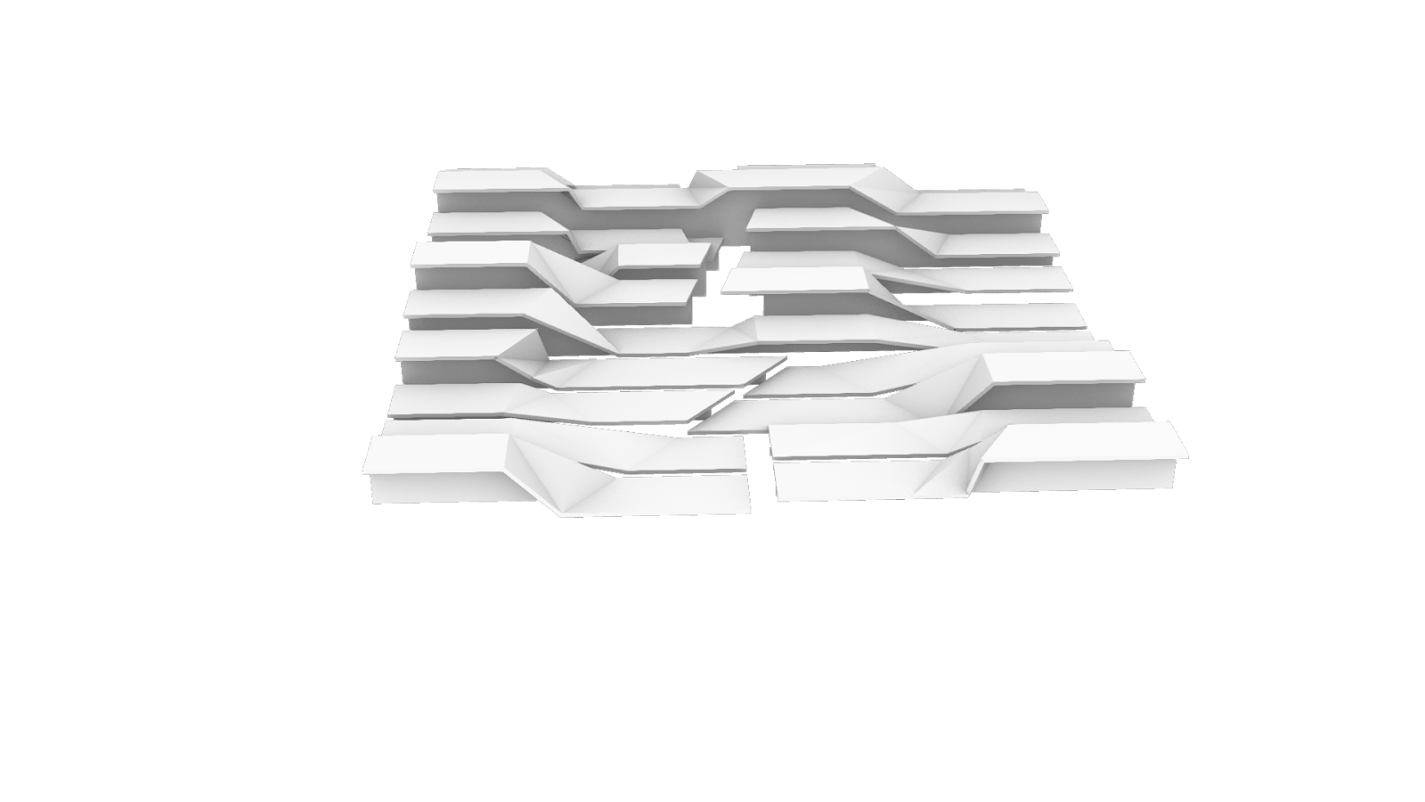
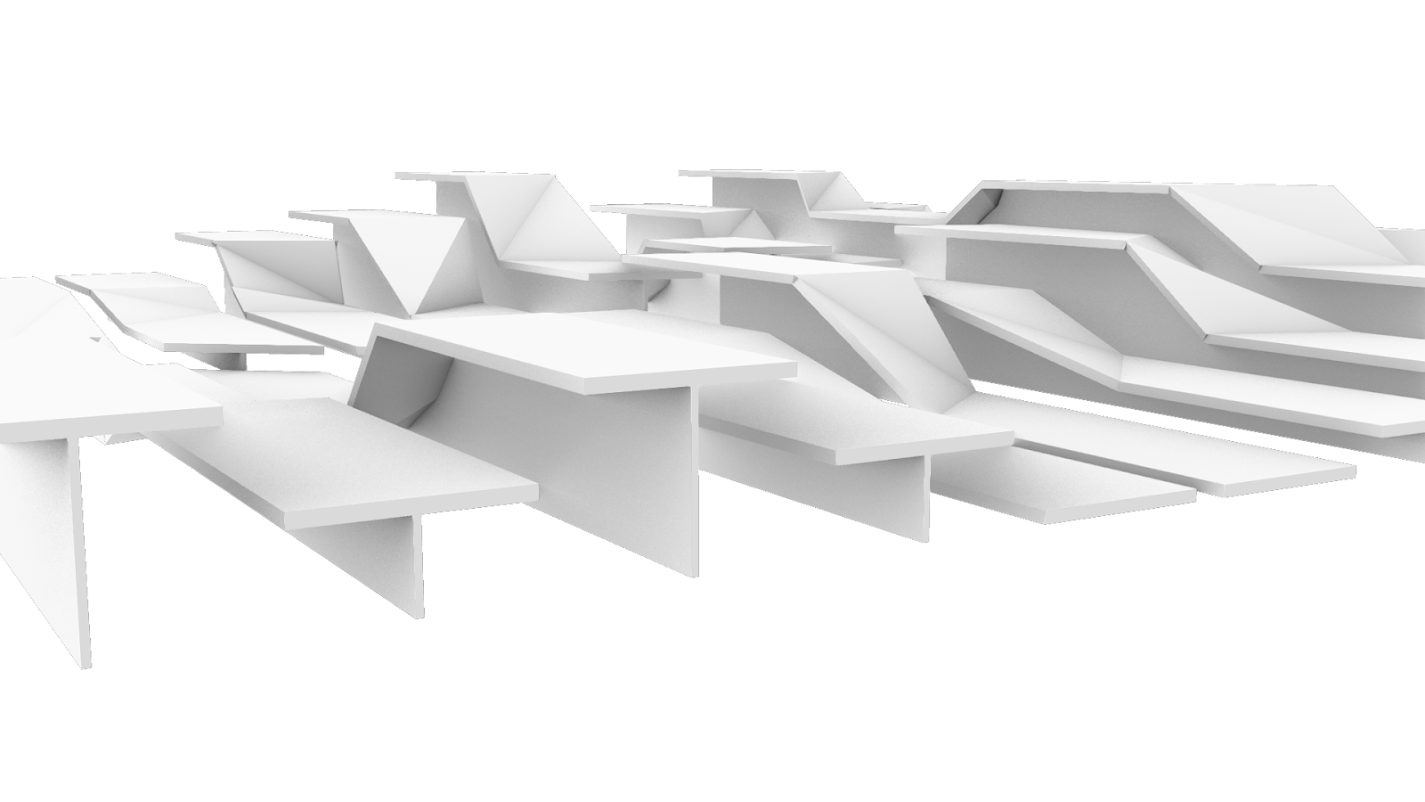
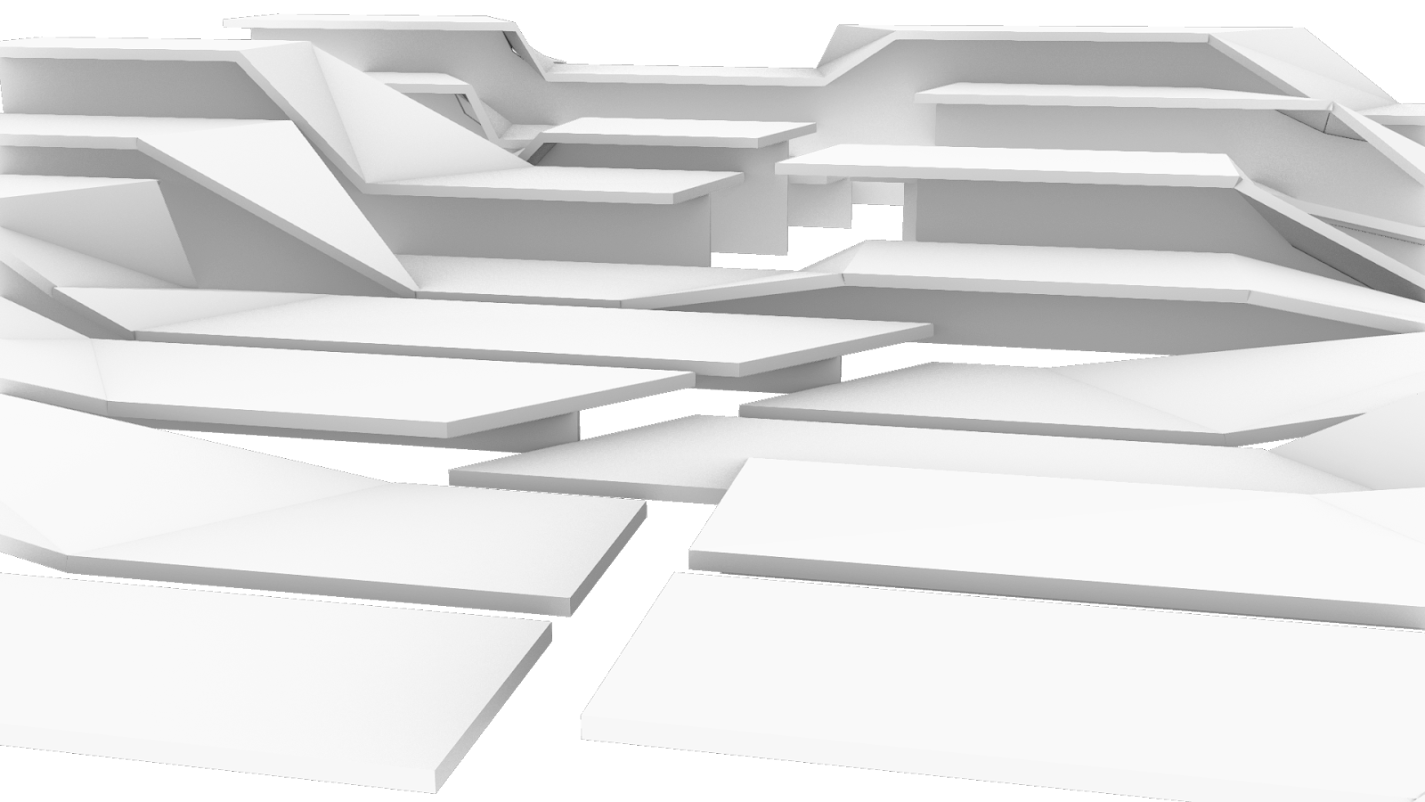
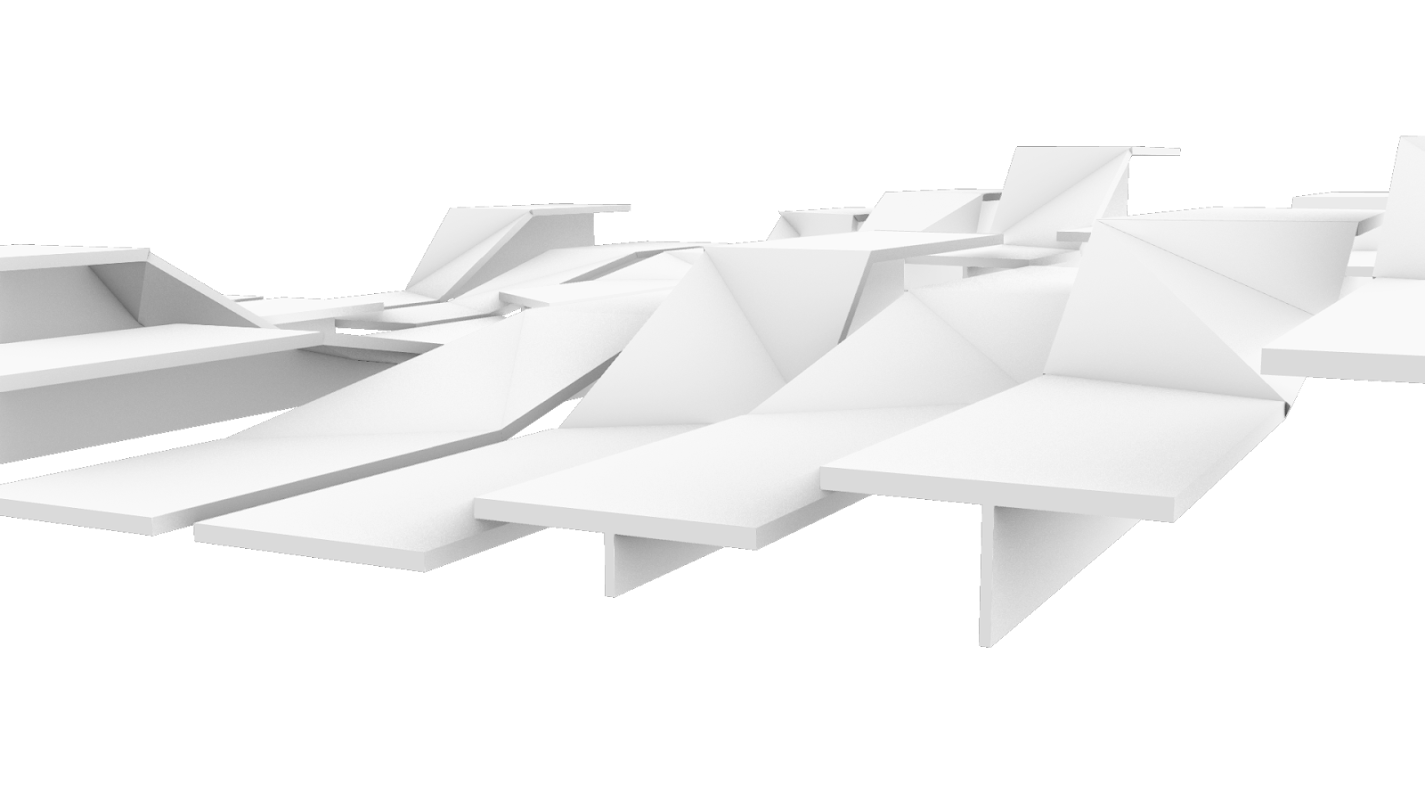
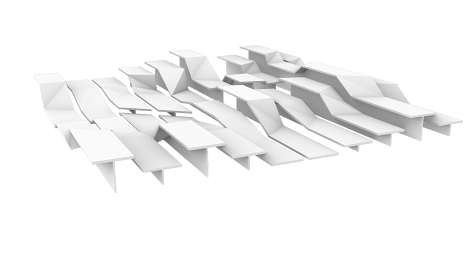
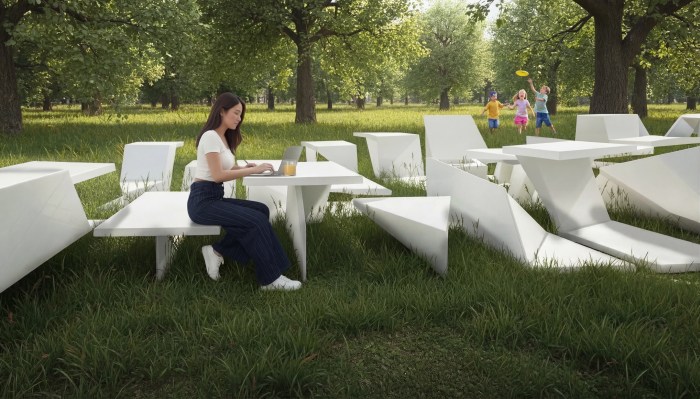
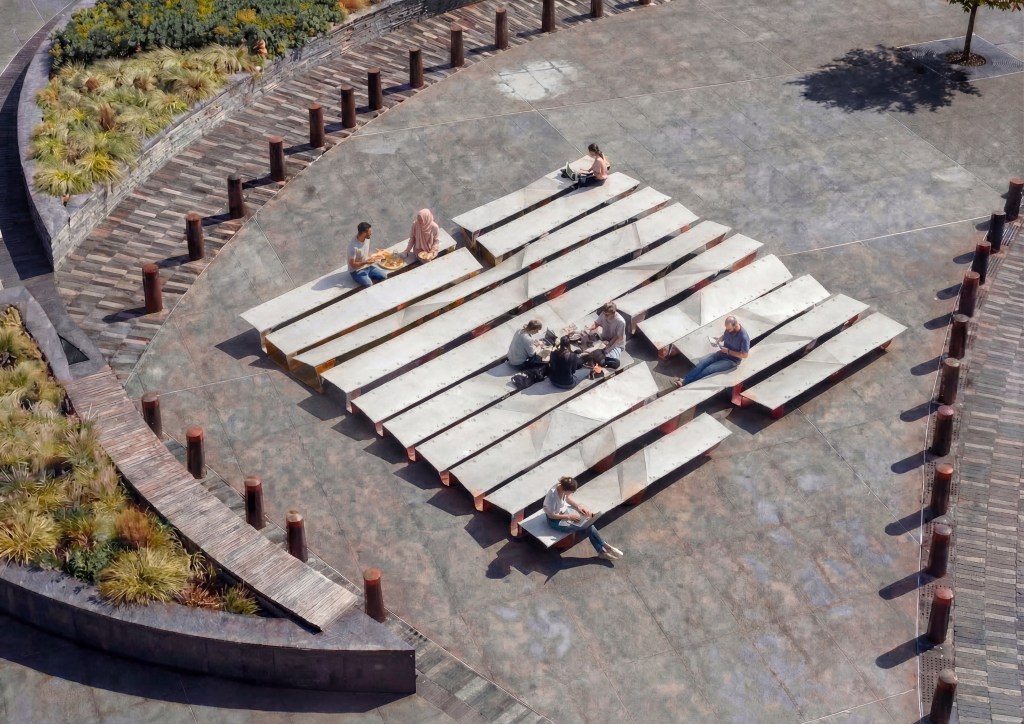
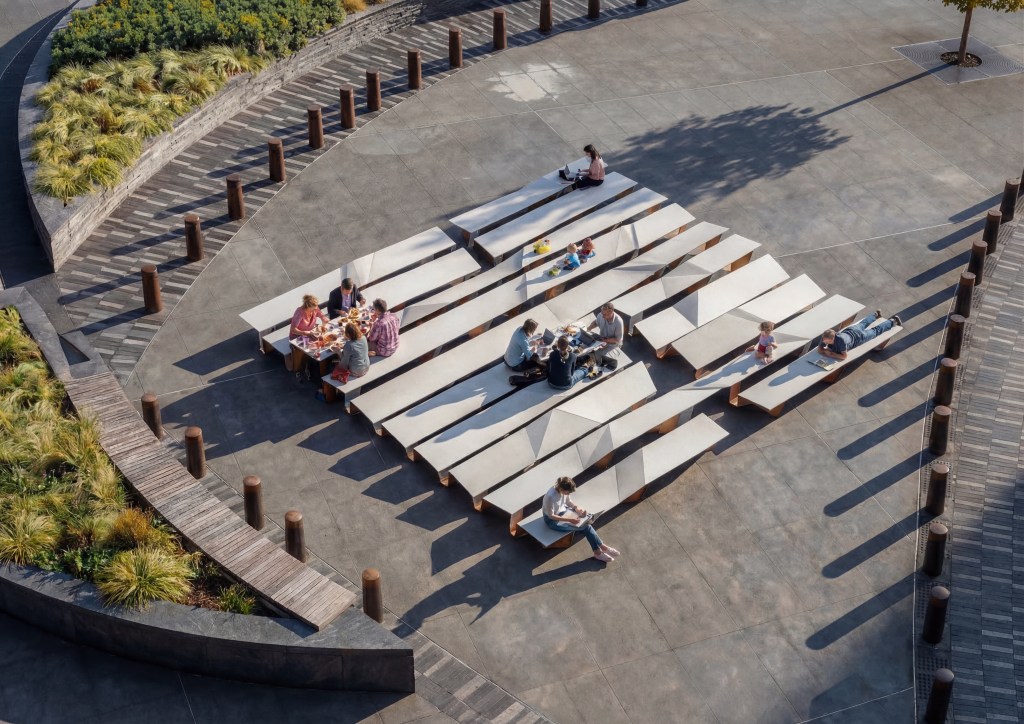
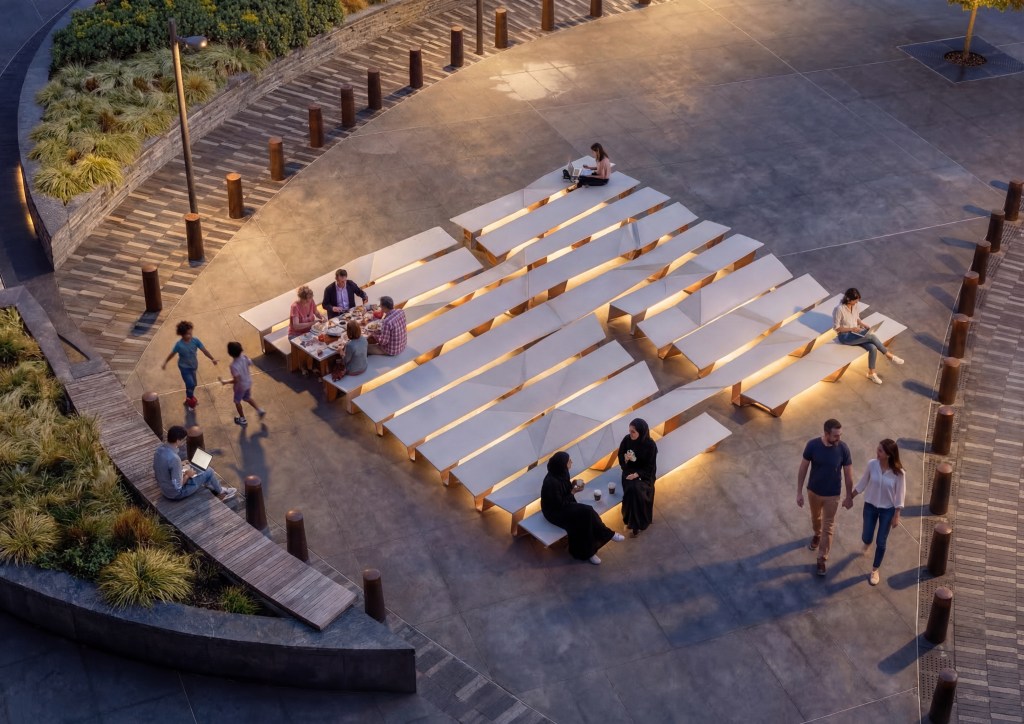
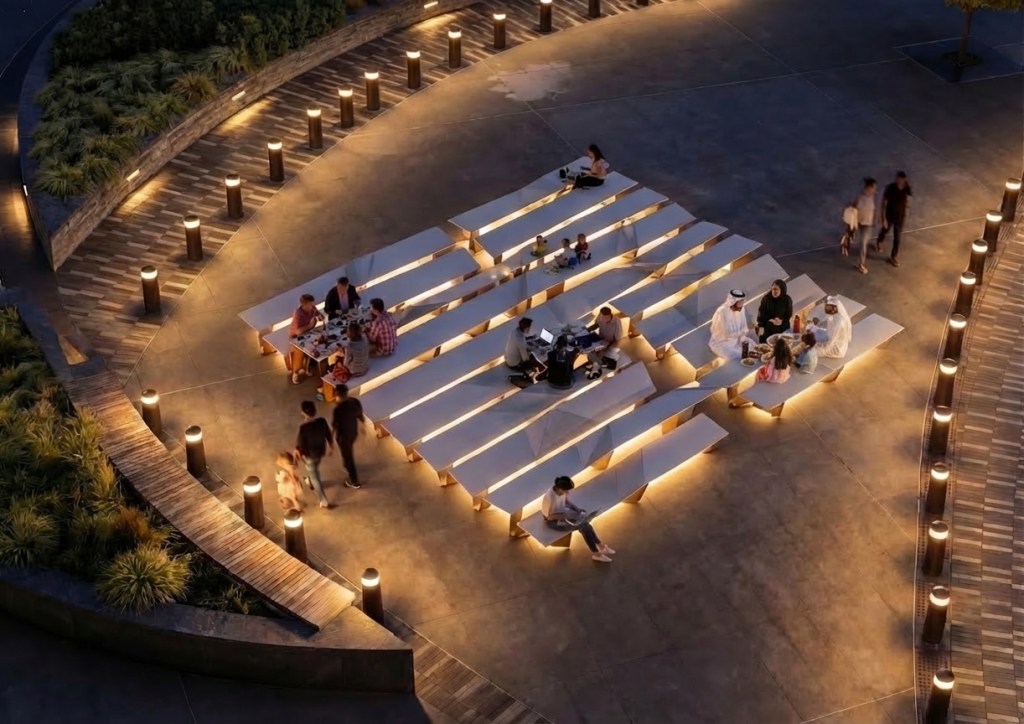
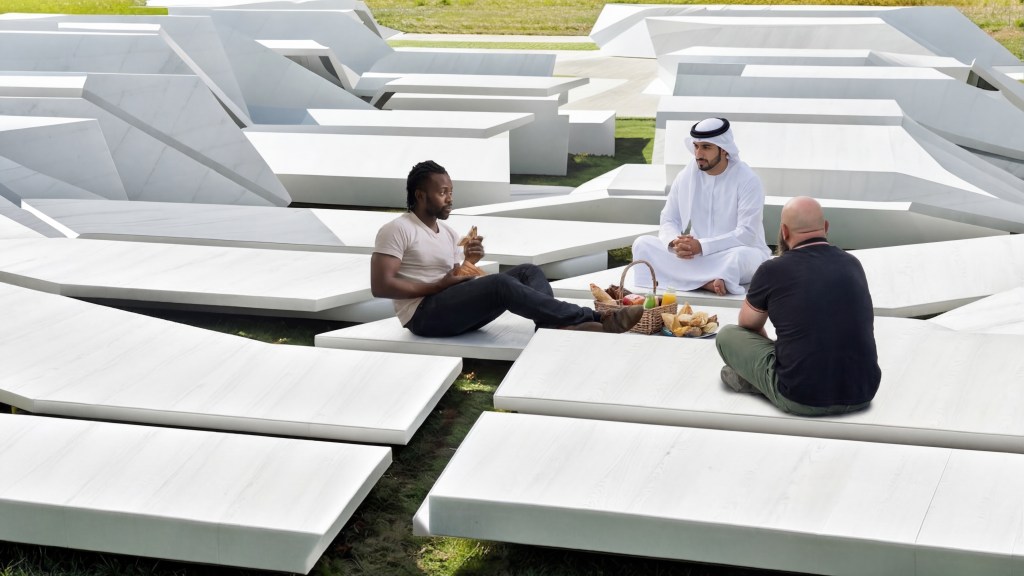
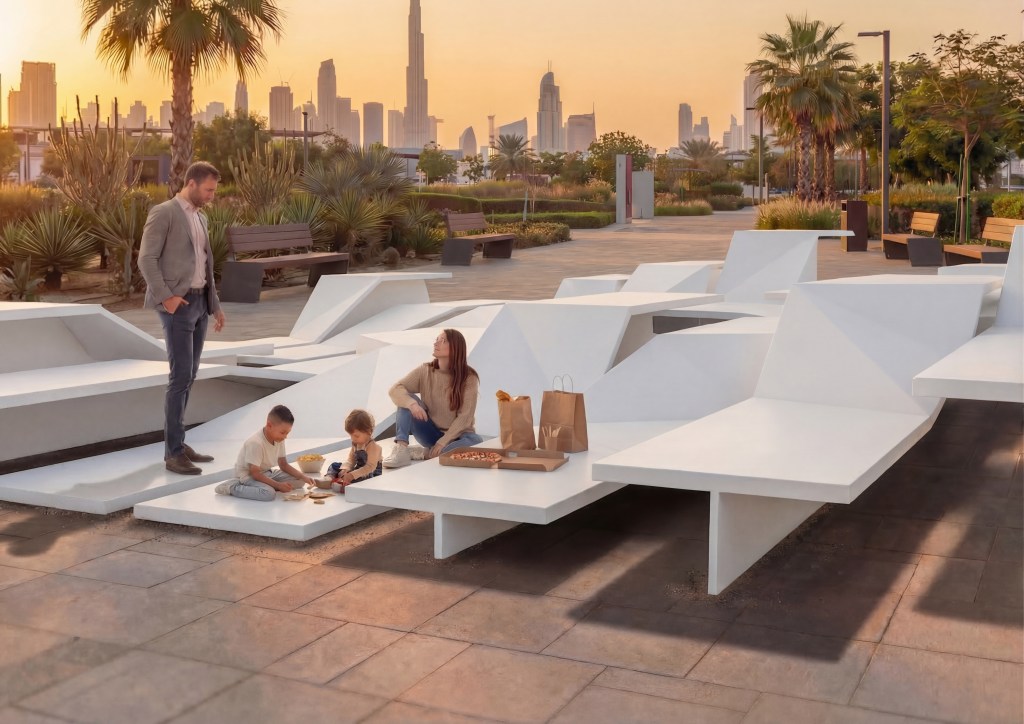
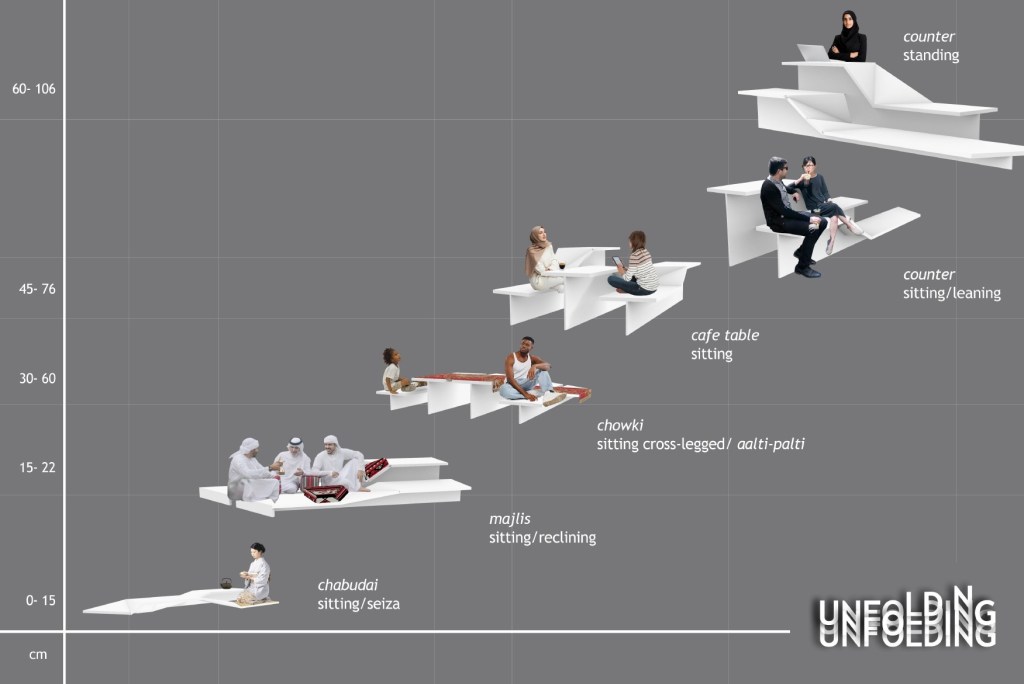
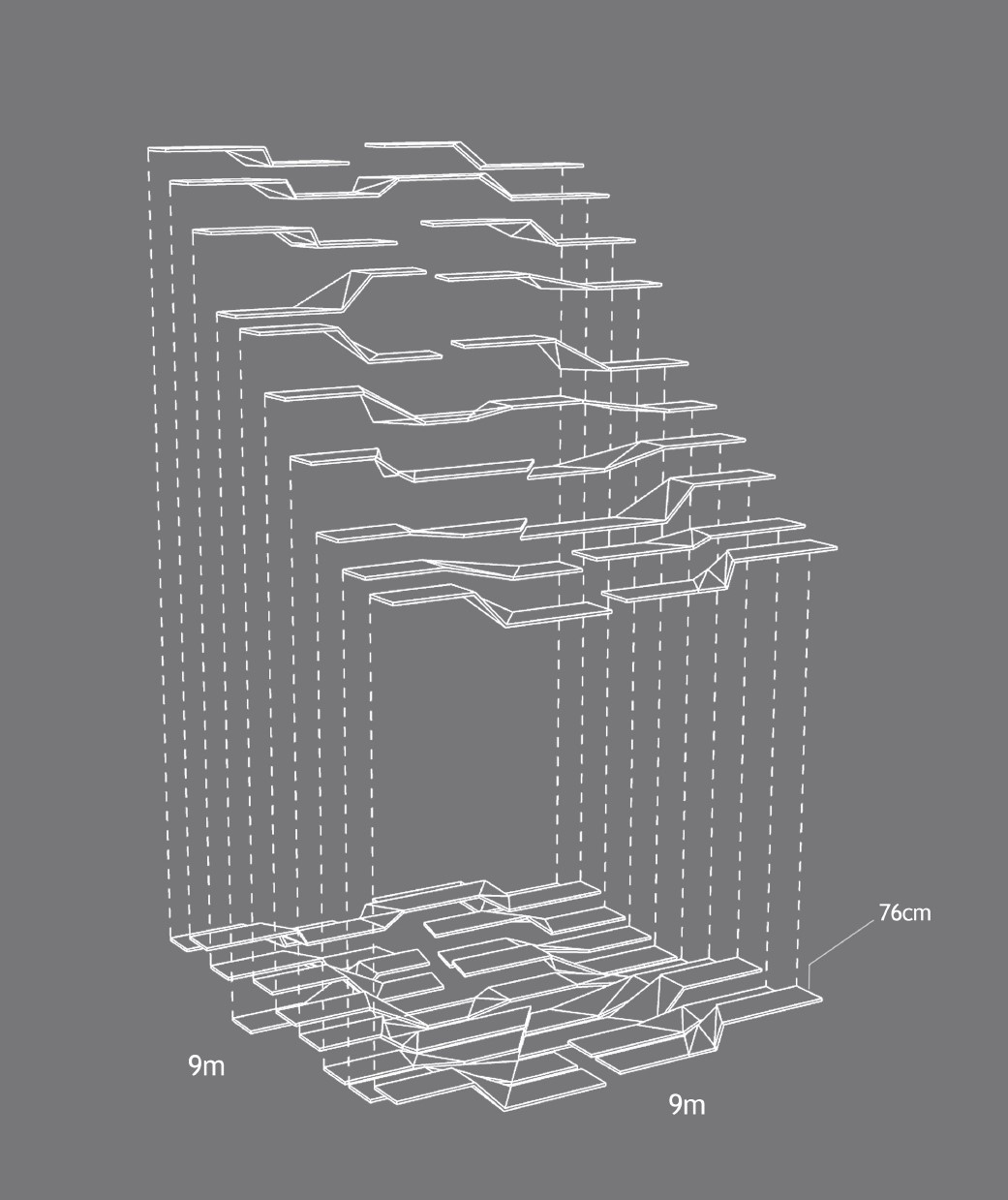
Unfolding is a continuous surface that bends, turns, creases, folds, un- folds, and takes diverse forms that turn into tables and seats of varying heights inspired by various traditions. There is the standing counter, that is commonly seen in tiffin centers in South India, where idli-vada are served and eaten quickly and on-the-go. The counter can also serve karak chai during a break in a busy work day. The roadside café table is for sitting down at and enjoying a snack while seeing the world pass by, inspired by outdoor European cafés. The chowki is a traditional subcon- tinental low table that serves meals to people seated on the floor cross-legged, and can also serve tea and samosas or pide during the evening, often with a Persian sofreh or dasterkhwan draped over it. The chabudai is a traditional Japanese low table, paired with a tatami mat for the tea ceremony, with space, time and care dedicated to it. Finally, the majlis, by definition is a gathering place with qahwah and finger foods as an excuse to meet friends and have conversations, white sitting or reclining on cushions.
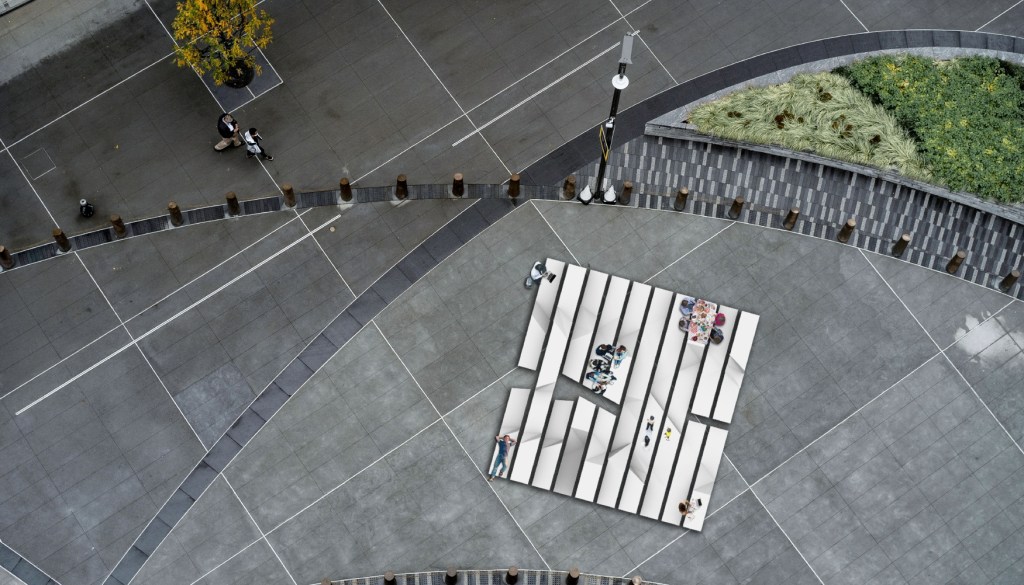
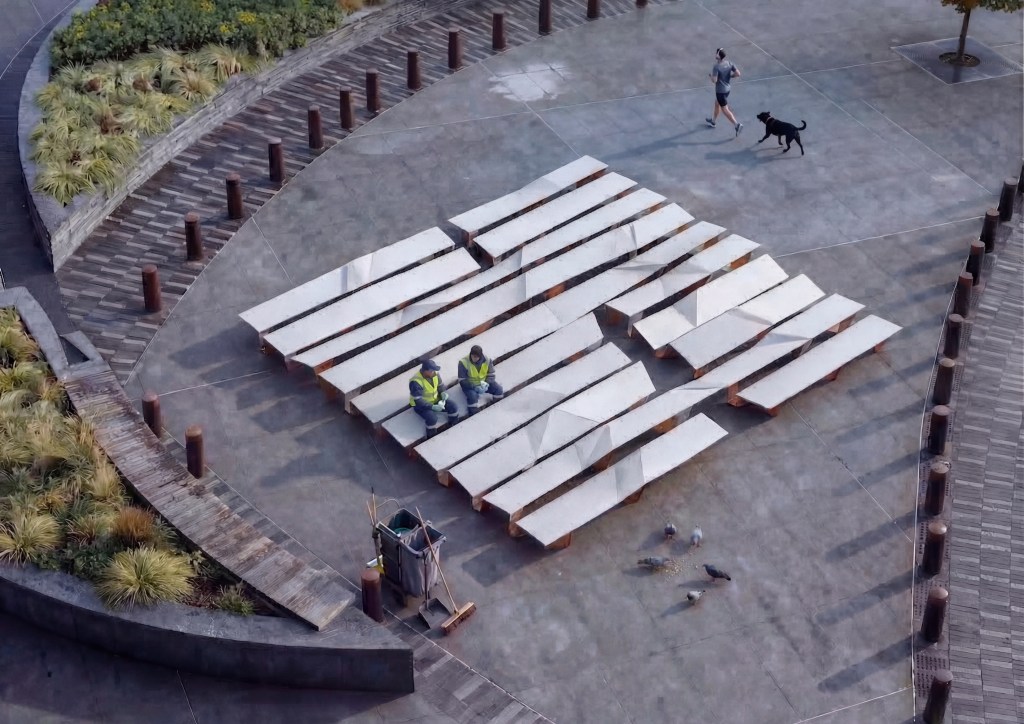
Unfolding welcomes all manners of gathering, eating, drinking, work- ing, discussing, sitting alone or together, standing or reclining, each with its cultural significance. It encourages the unraveling of stories and spreading of ideas. The urban intervention is like the open-air agora, with the focus on the table surface, which can be used as a table or a seat at different heights, as one feels comfortable. Cushions, table runners, mats, and other accessories added to different levels of the surface make it more personalized. There is no right or wrong way to be Unfolding.
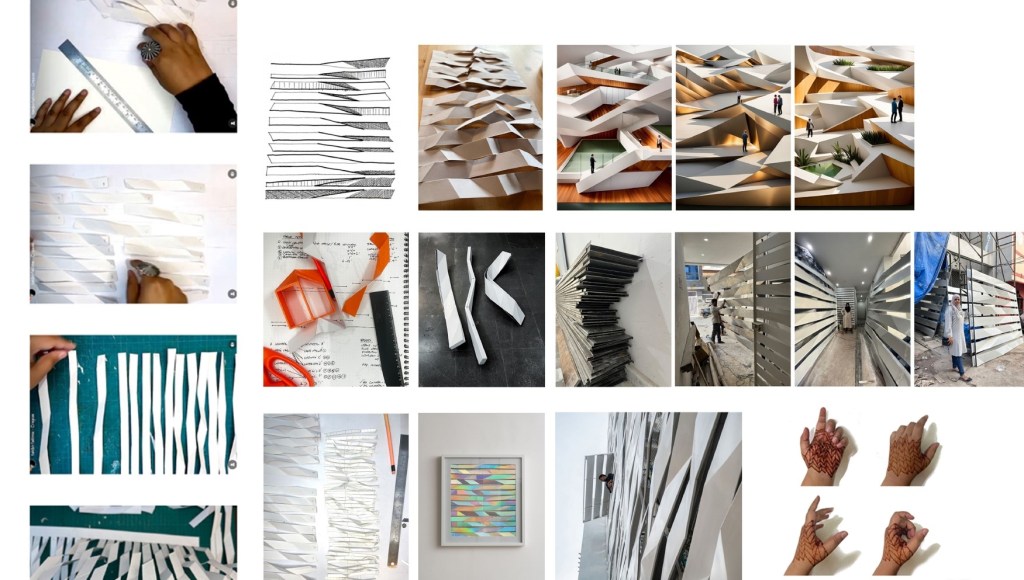
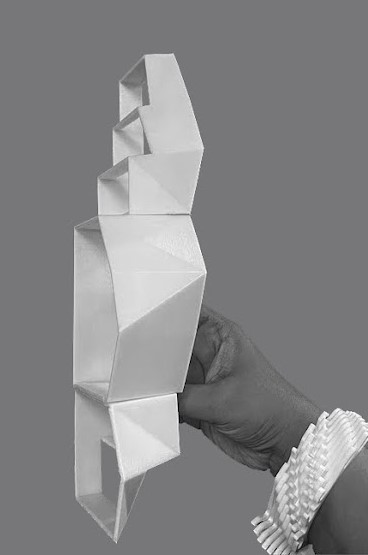
Arrived at through a series of topological explorations with strips of paper, the surfaces morph and transform from one height setting to an- other, broken and connected at once. When unoccupied by humans, Unfolding becomes an undulating, fractured, sculptural landscape.