TYPOLOGY: Iconic URBAN Sculpture
LOCATION: Abu Hadriyah Road, Dammam, Saudi Arabia
YEAR: 2025
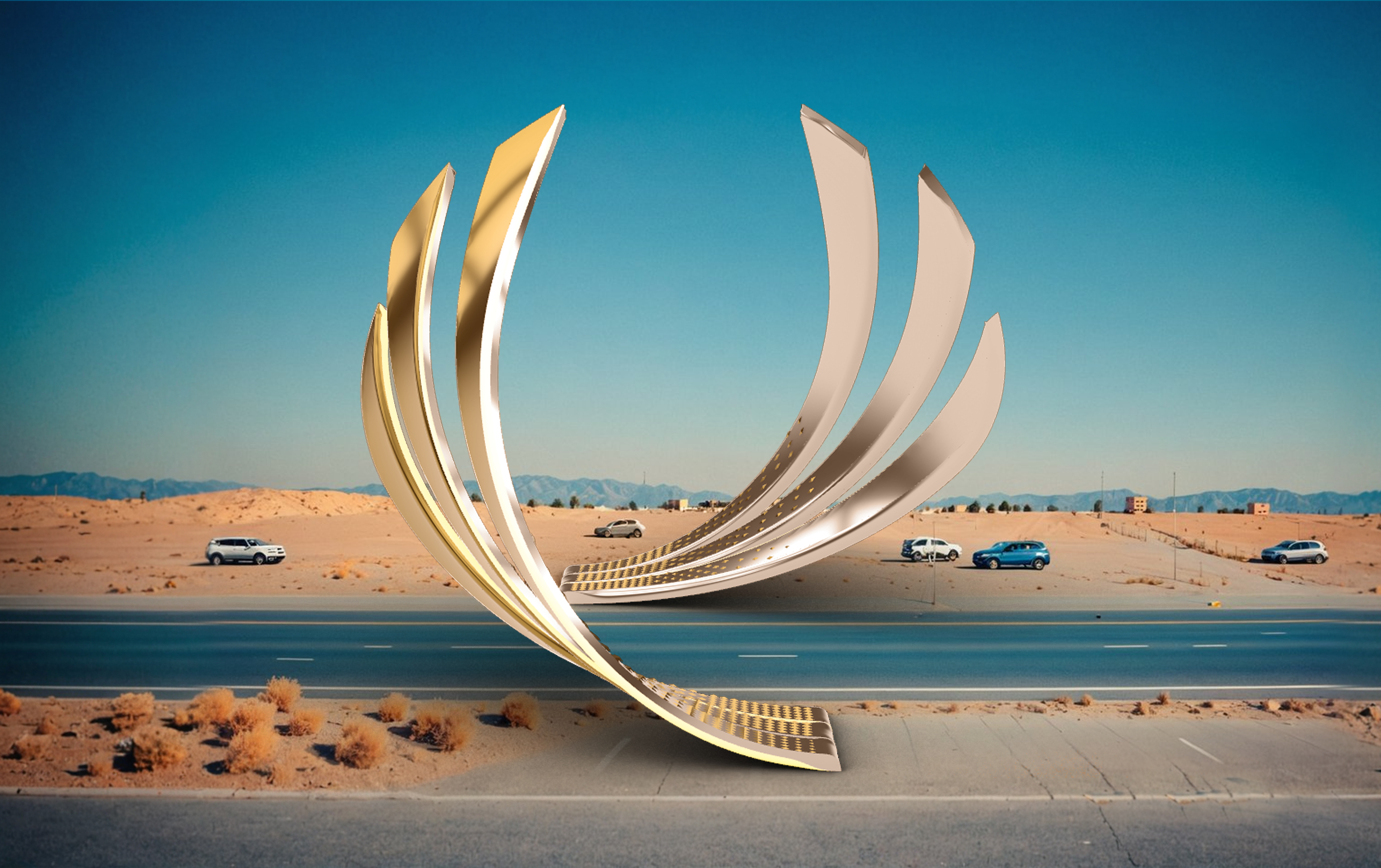
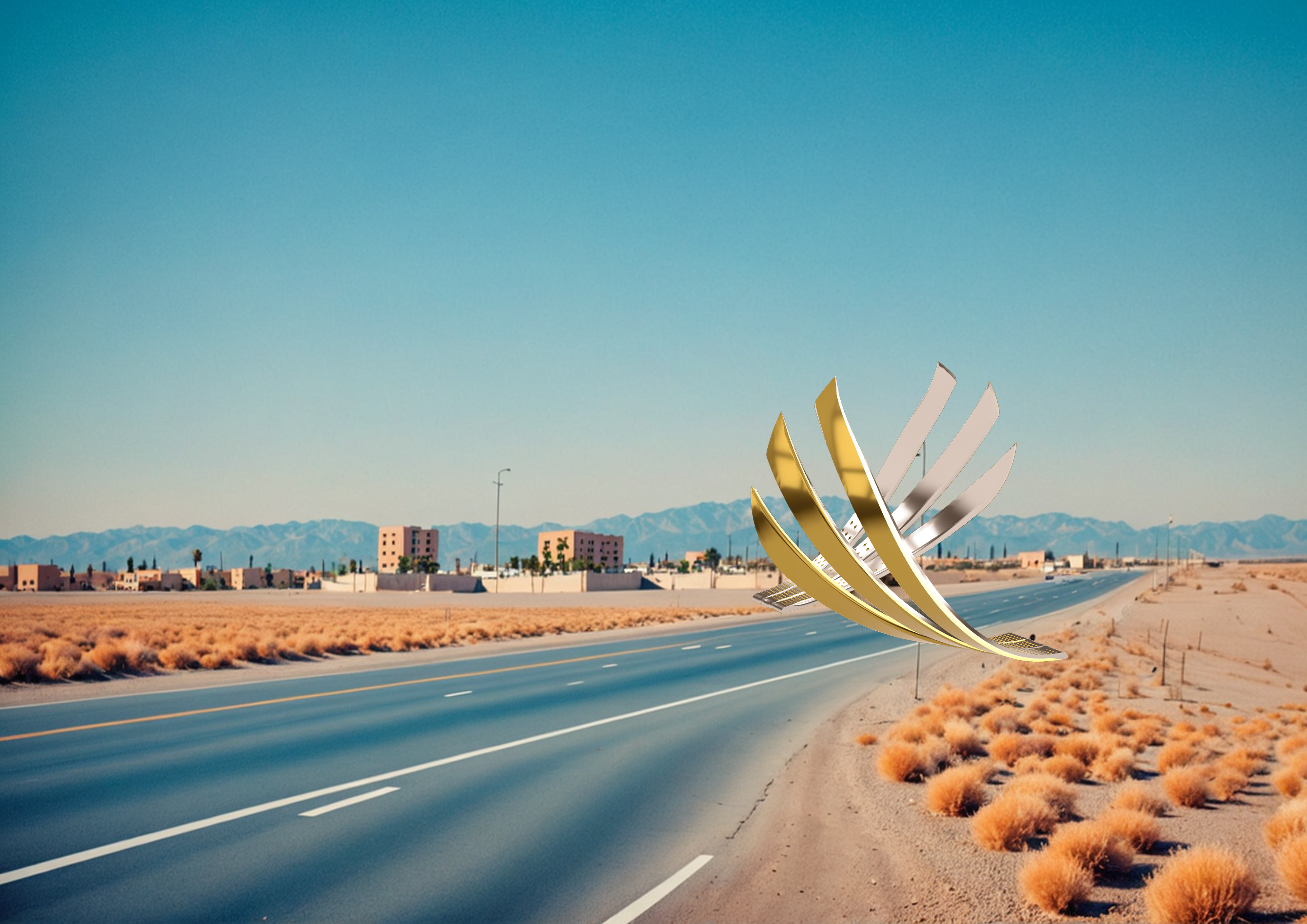
Airfoil: Time, Movement, Innovation
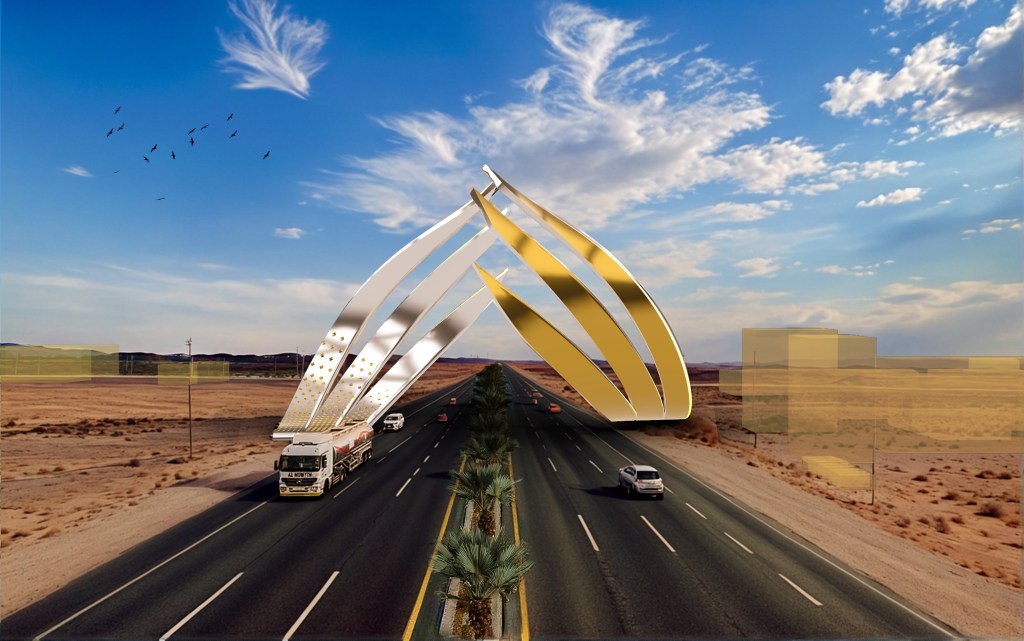
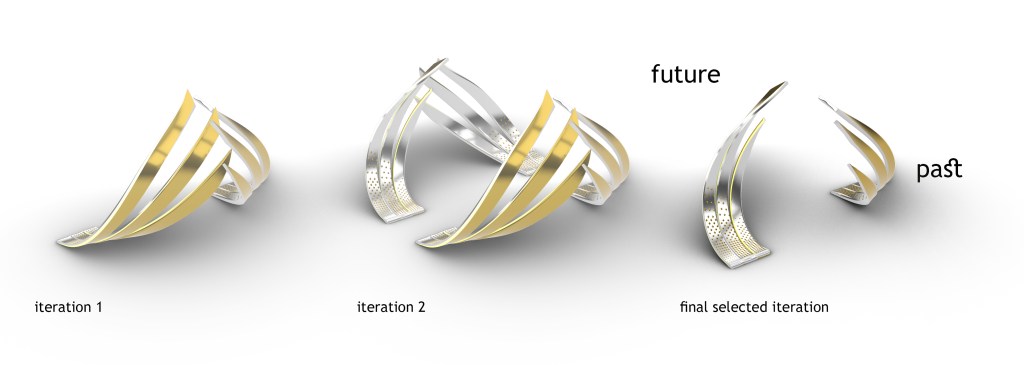
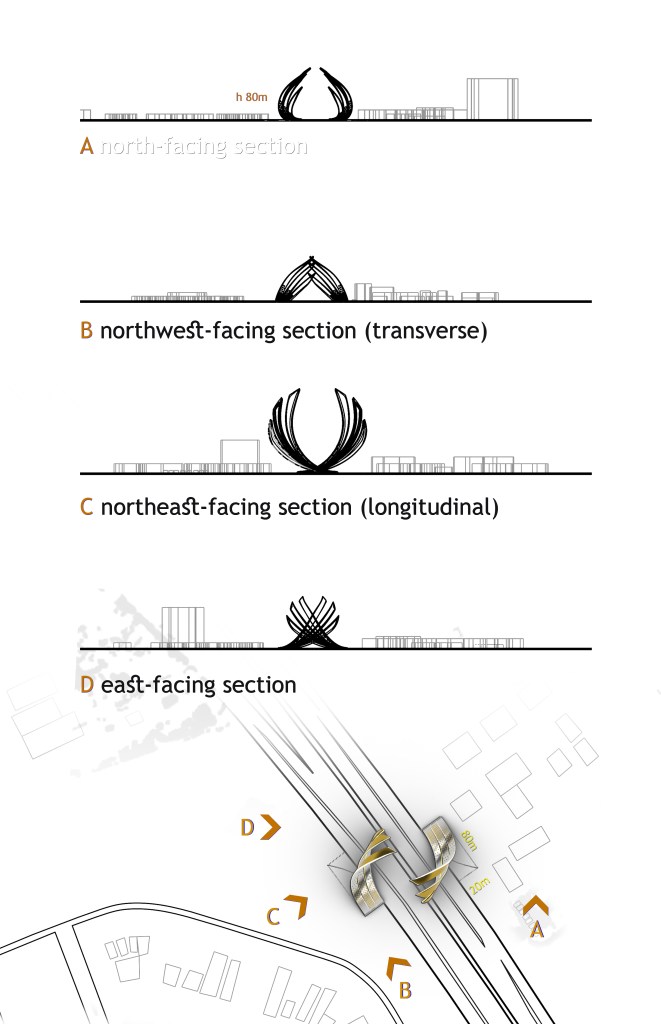
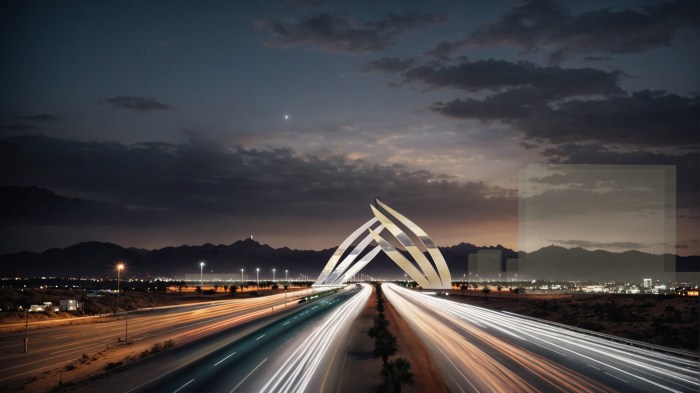
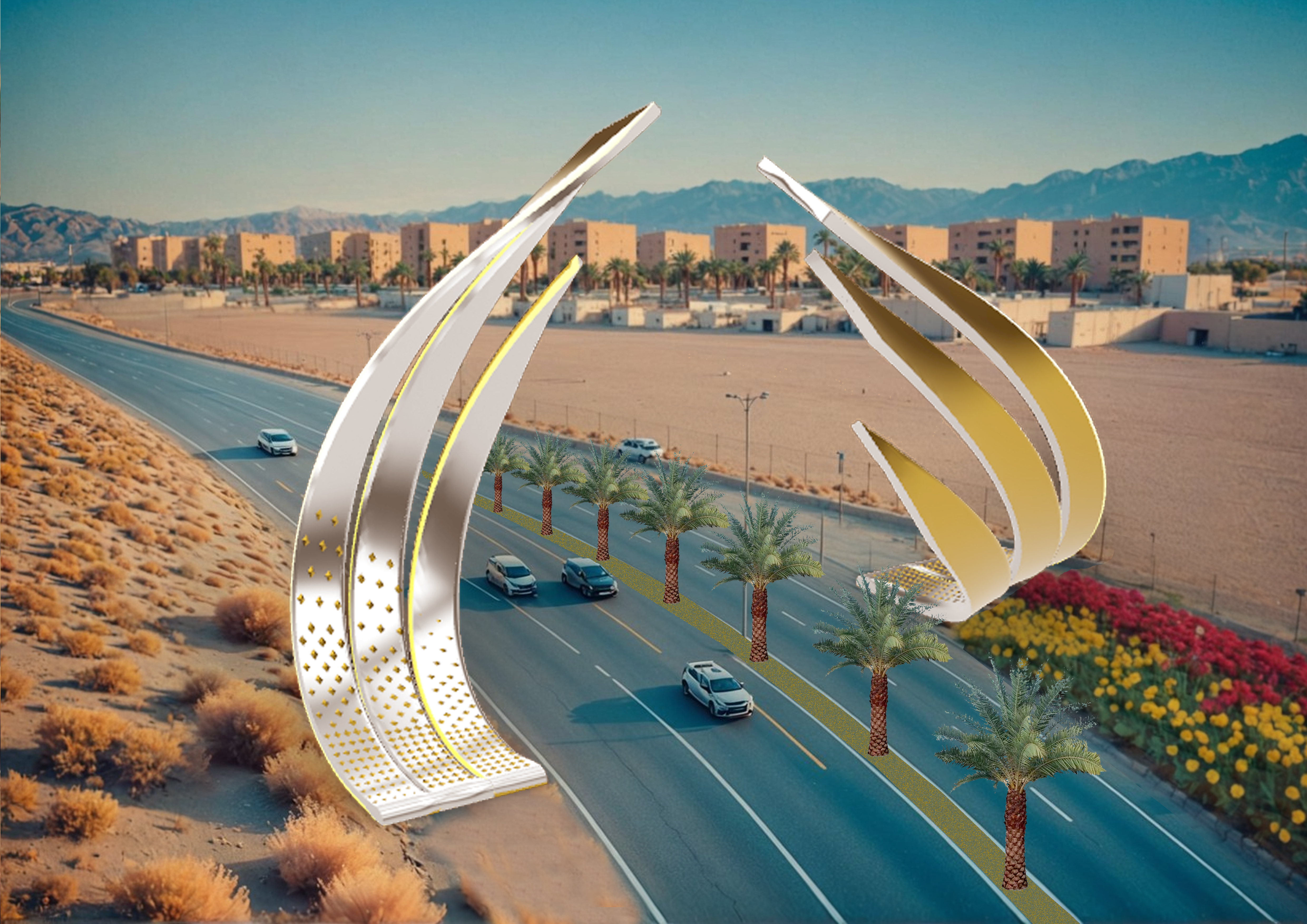
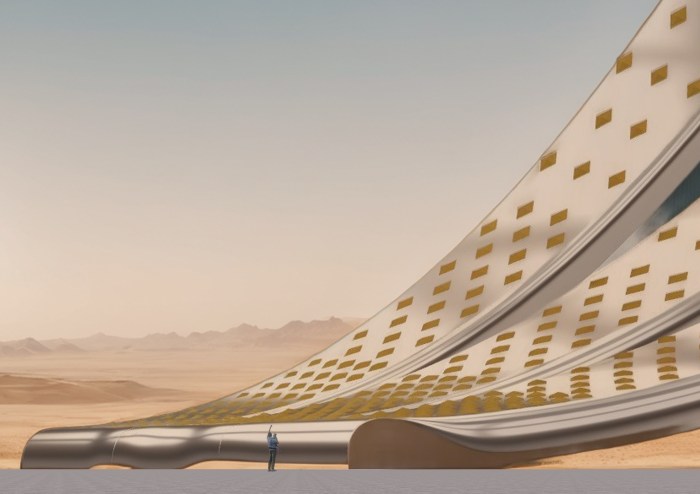
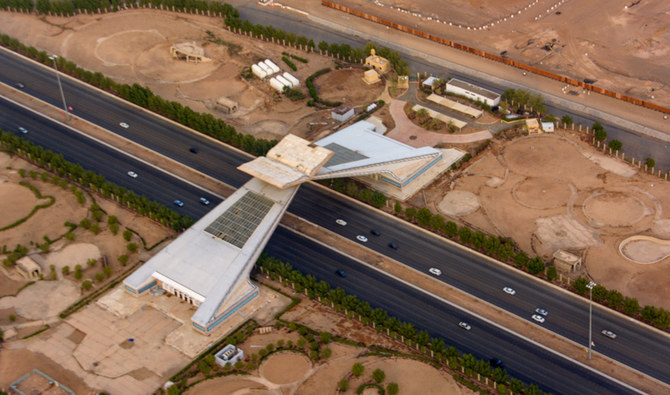
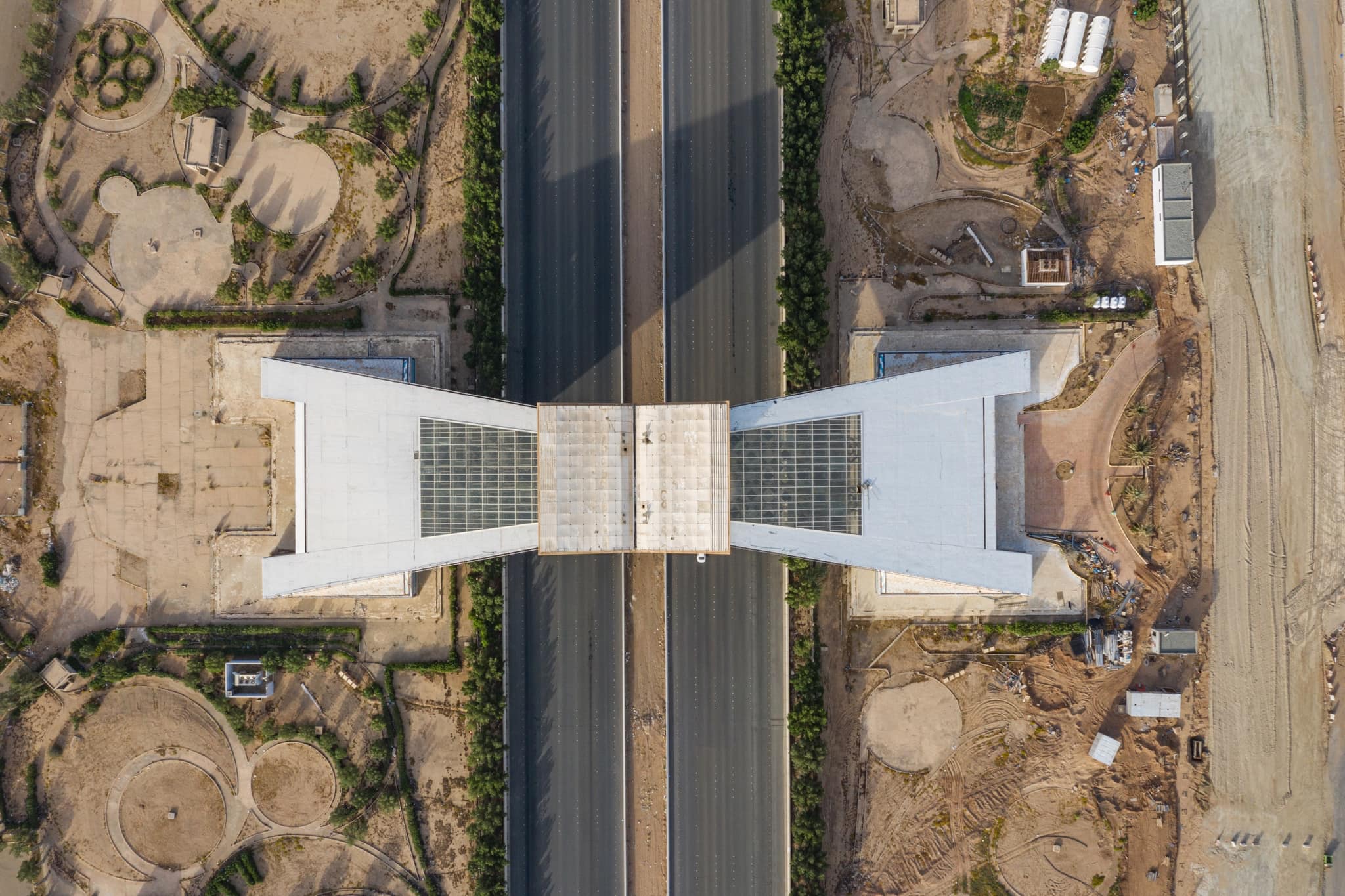
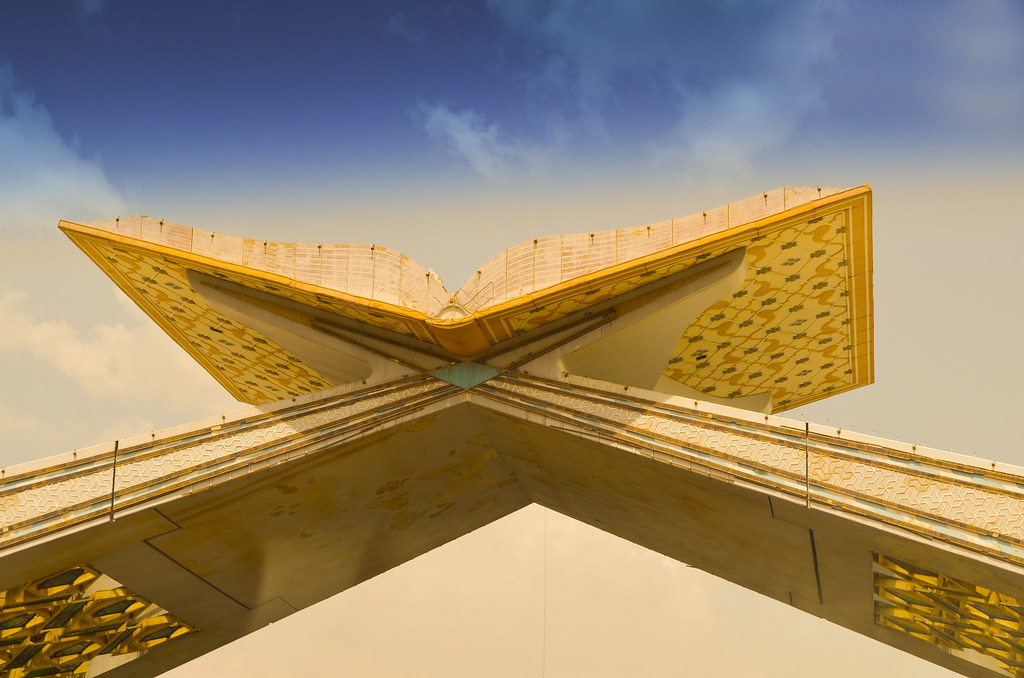
Airfoil is made of two materials: bronze and steel. Bronze represents the past and continuing traditions of Saudi Arabia, and steel represents its future. Its form is an illusion. From afar, it appears to be a large archway, but upon quick approach, it reveals itself to be made of two open, independent parts, such as open hands. Rather than a static sculpture, Airfoil is dynamic and ever-changing. As you drive towards it, the sculpture seems to change form at every vantage point. The outer surfaces are finished in bronze and the inner ones in steel. As you drive away, experience moving into the future (steel), and leaving the past (bronze) behind.
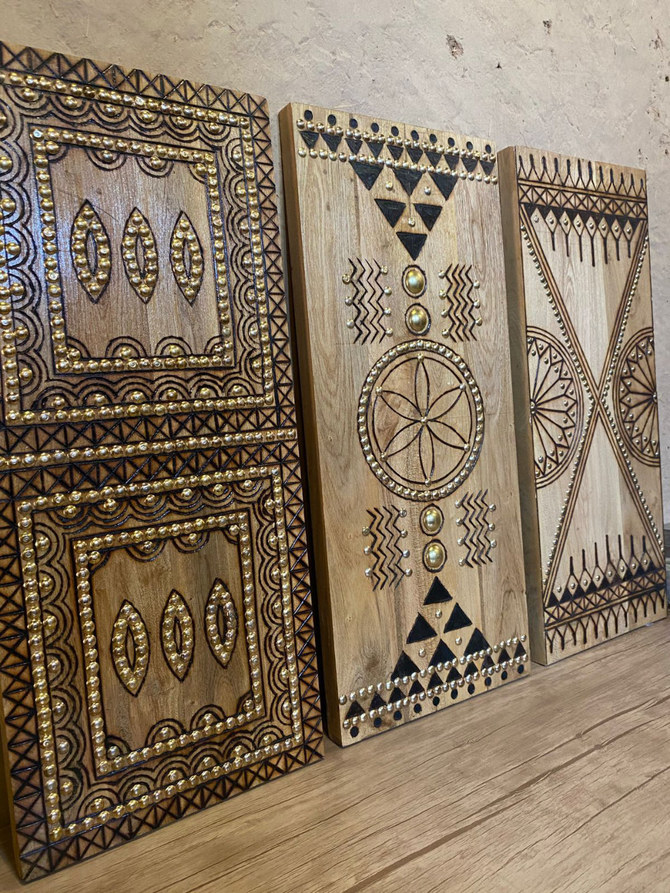
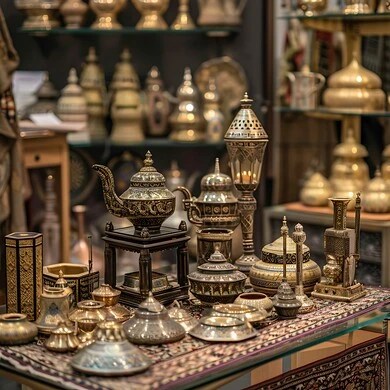
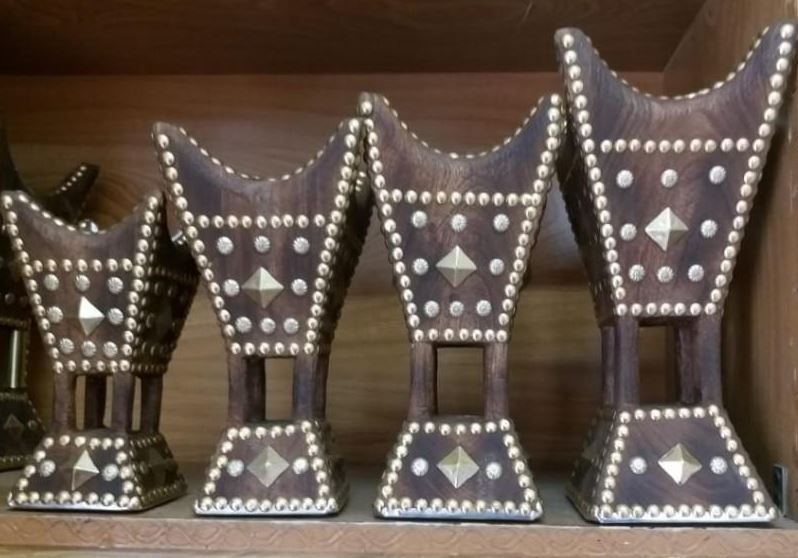
As the sculpture is situated on a major highway, it was important to consider that it would most be viewed from vehicles moving at high speeds, and for a split-second. Its aerodynamic design can withstand high-speed winds and sandstorms. The surface at eye-level, which would be the closest viewed from vehicles, is covered with bronze rivets inspired by geometric embellishments seen in traditional ornamental brass and wooden handicrafts.


Inspiration from the Vernacular
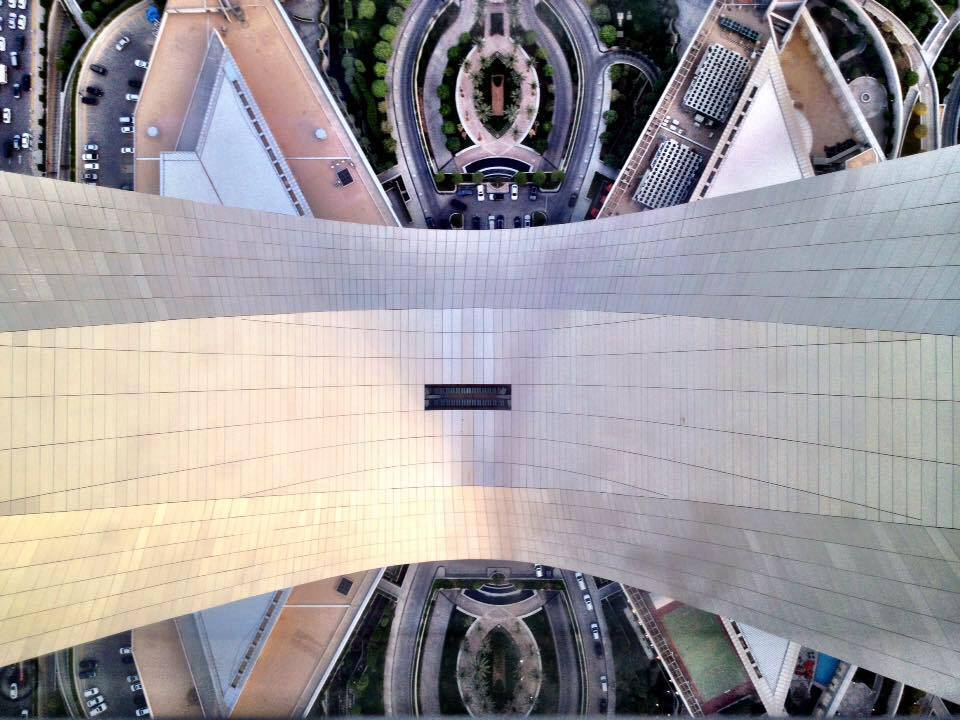
The form takes inspiration from many things quintessentially Saudi. The first memory invoked during the design process was that of the Mecca Gate, an iconic archway that symbolizes and welcomes to the holy city. Similarly, the view from the Kingdom Center Tower in Riyadh while looking downwards from its bridge is breathtaking in its soft geometry. The gateway to Saudi Arabia on Abu Hadriyah Road connects the country with neighboring countries of the GCC, and must stand for innovation and revolution, while welcoming guests to the Kingdom. Airfoil is, in its form as well as its structure, an experimental, dynamic and innovative sculpture.
Chronophotography
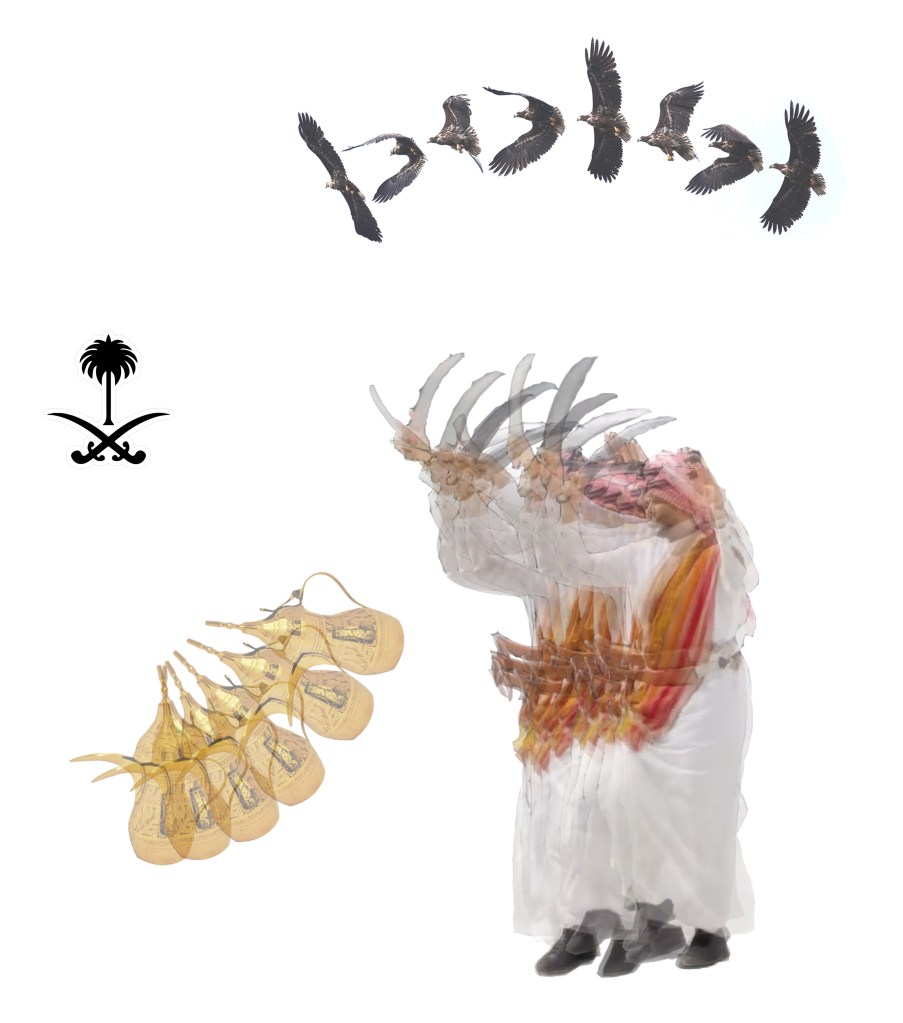
Chronophotography is a method of depicting movement in still photography through the overlap of multiple moving images. The forms that arise from this “static movement” were inspirational in the design of Airfoil. The movements and poses in Ardah, the national sword dance of Saudi Arabia, as well as the form of the moving swords informed the sculptural curves of Airfoil, which is reminiscent of the emblem of Saudi Arabia from a specific viewpoint. Brass is an oft-forgotten material that can be revived to bring to memory and keep alive historical traditions such as craft. The geometry of studs and rivets becomes a recurring motif that has been subtly adapted to the surface of the sculpture.
Evolution of Form